Is Silicone Spatula dishwasher safe?
Yes — pure silicone is heat-stable up to 450°F and resistant to dishwasher conditions, but avoid high-heat cycles and ensure the spatula is labeled as 100% silicone without a hollow core or metal insert.
By Is It Dishwasher Safe · How we review. This is a reference guide, not a laboratory test.
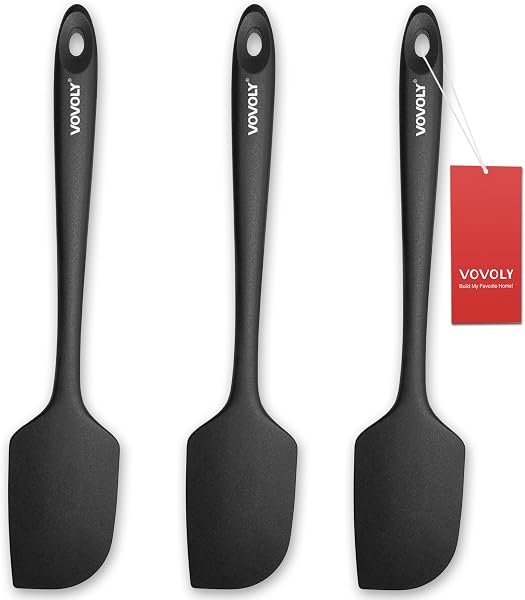
Quick facts
| Dishwasher safe? | Yes — Dishwasher safe |
|---|---|
| Category | Utensils |
| Source | No manufacturer source linked; confirm the exact product instructions. |
| Page updated | 2026-06-29 |
Why
The spatula is made of 100% silicone, a thermoset polymer that does not melt, warp, or degrade under typical dishwasher heat (140-160°F) and alkaline detergents. Unlike plastic, silicone does not absorb moisture or harbor bacteria, and it resists staining and odors. The specific failure mode for low-quality silicone is swelling or loss of elasticity if fillers are present, but pure silicone remains stable. Most manufacturers, such as OXO and Di Oro, state their silicone spatulas are dishwasher safe. However, if the spatula has a hollow handle or a metal core, water may seep inside and cause rust or mold; for such designs, hand washing is recommended. The silicone head and handle are both safe, but any attached plastic or wooden parts are not.
How do you wash Silicone Spatula?
- Rinse off food residue immediately after use to prevent staining.
- Place the spatula on the top rack of the dishwasher, away from the heating element.
- Use a normal or light cycle with standard detergent; avoid high-heat or sanitize cycles.
- If the spatula has a hollow handle, hand wash instead to prevent water ingress.
- After the cycle, remove promptly and air dry completely before storing.
- For stubborn stains, rub with a paste of baking soda and water before washing.
What happens if you put Silicone Spatula in the dishwasher?
If you put a high-quality 100% silicone spatula in the dishwasher, nothing adverse will happen after one wash. After repeated washes, the silicone may gradually lose its glossy finish and become slightly dull or chalky, but this is cosmetic and does not affect performance. However, if the spatula contains fillers or is not pure silicone, it may swell, become sticky, or develop cracks over time. For spatulas with a hollow handle, water can enter and cause internal mold or rust if a metal core is present, leading to a foul odor and potential contamination. In such cases, the damage is functional and permanent, requiring replacement. Overall, pure silicone spatulas are among the most dishwasher-safe kitchen tools.
Frequently asked questions
- Can silicone spatulas withstand high heat like boiling oil?
- Yes, food-grade silicone is typically heat-resistant up to 450°F (232°C) and can be used for stirring hot liquids or scraping pans, but avoid direct contact with open flames or heating elements.
- Will silicone spatulas stain from tomato sauce or turmeric?
- Silicone is non-porous and resists staining, but prolonged exposure to strongly pigmented foods may cause temporary discoloration. A baking soda paste can usually remove such stains.
- Can I use silicone spatulas with nonstick cookware?
- Yes, silicone is soft and non-abrasive, making it safe for nonstick surfaces without scratching or damaging the coating.
- How often should I replace a silicone spatula?
- Replace it if you notice cracks, tears, melting, or a sticky residue, which indicate degradation. With proper care, a high-quality silicone spatula can last several years.
We may earn a commission from qualifying purchases through product links.
Check price on Amazon →More utensils
Popular checks
Last updated 2026-06-29. General guidance — always check your product’s care label. How we verify · Dishwasher care guides.