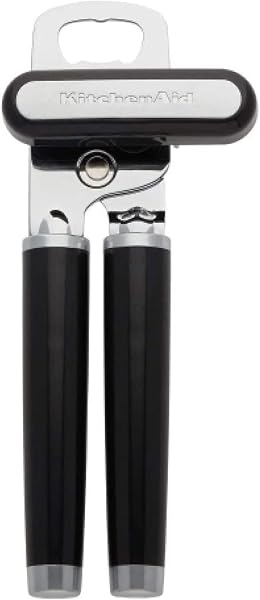
Is Can Opener dishwasher safe?
Sometimes — the metal cutting wheel and gear mechanism are not dishwasher safe, but the plastic body and handle may be top-rack safe if the manufacturer specifies.
By Is It Dishwasher Safe · How we review. This is a reference guide, not a laboratory test.
Quick facts
| Dishwasher safe? | Sometimes — Sometimes — with care |
|---|---|
| Category | Utensils |
| Source | No manufacturer source linked; confirm the exact product instructions. |
| Page updated | 2026-06-29 |
Why
Most can openers are made of stainless steel cutting wheels and gears combined with plastic or nylon handles and bodies. Stainless steel can rust or pit when exposed to the high heat, moisture, and alkaline detergents of a dishwasher, especially if it's not high-grade (e.g., 304 vs 400 series). The plastic parts may warp or degrade over time. The cutting wheel and gear assembly are particularly vulnerable: water can get trapped inside, leading to rust and mechanical failure. Many manufacturers explicitly state that can openers should be hand washed to prevent damage to the cutting mechanism. For example, OXO Good Grips recommends hand washing only. However, some models with sealed, all-plastic bodies may be top-rack safe. Always check the specific model's care instructions.
How do you wash Can Opener?
- Disassemble the can opener if possible (remove the cutting lever and gear).
- Rinse under warm running water to remove food residue.
- Use a small brush (e.g., a toothbrush) with mild dish soap to scrub the cutting wheel and gears.
- Wipe the body and handle with a soapy sponge.
- Rinse all parts thoroughly with warm water.
- Dry immediately with a soft cloth to prevent water spots and rust.
- Reassemble only after all parts are completely dry.
What happens if you put Can Opener in the dishwasher?
If you put a can opener in the dishwasher, after one wash you might notice water trapped inside the handle or gear housing. The cutting wheel may develop small rust spots. After repeated washes, the rust can become more extensive, causing the cutting wheel to become dull and the mechanism to stiffen or jam. The plastic parts may become brittle or discolored. The damage is both cosmetic and functional: rust can flake into food, and a jammed mechanism can render the opener unusable. Some models with exposed springs or rivets may corrode quickly, leading to permanent failure.
Frequently asked questions
- Can I put my can opener in the microwave to dry it?
- No, never microwave a can opener. Metal parts can cause sparks and fire, and plastic parts may melt.
- How often should I replace my can opener?
- Replace when the cutting wheel becomes dull, the mechanism sticks, or rust appears. Typically every 1-3 years depending on use.
- Is it safe to use a rusty can opener?
- No, rust can contaminate food and the opener may not cut cleanly, increasing the risk of metal shavings.
- Can I sharpen the cutting wheel of my can opener?
- No, the cutting wheel is not designed to be sharpened. Replace the opener or the wheel if available.
We may earn a commission from qualifying purchases through product links.
Check price on Amazon →More utensils

Popular checks
Last updated 2026-06-29. General guidance — always check your product’s care label. How we verify · Dishwasher care guides.