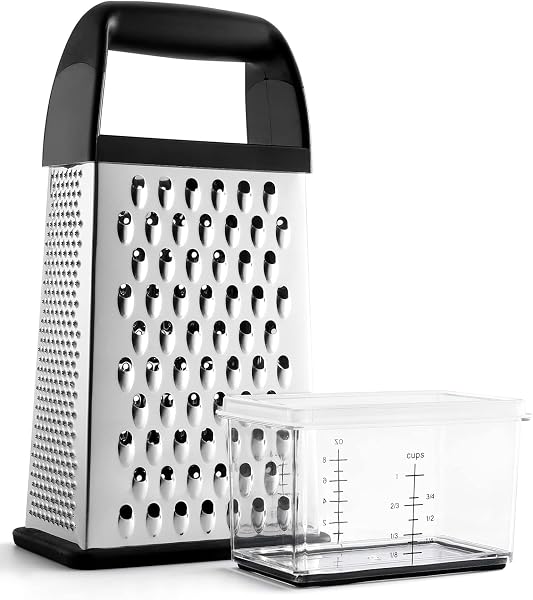
Is Cheese Grater dishwasher safe?
Yes - most stainless steel box and rotary cheese graters are top-rack dishwasher safe, but hand washing keeps the cutting edges sharp and stops lower-grade metal from rusting.
By Is It Dishwasher Safe · How we review. This is a reference guide, not a laboratory test.
Quick facts
| Dishwasher safe? | Sometimes — Sometimes — with care |
|---|---|
| Category | Utensils |
| Source | No manufacturer source linked; confirm the exact product instructions. |
| Page updated | 2026-06-29 |
Why
Cheese graters are typically made of stainless steel, tin-plated steel, or plastic. Stainless steel is generally dishwasher safe, but lower grades (e.g., 18/0) can rust or pit from the alkaline detergent and high heat. Tin-plated steel will corrode and rust quickly. Plastic handles or bodies may warp or degrade. The sharp cutting edges can dull from the dishwasher's water pressure and detergent. Many manufacturers, such as Microplane, recommend hand washing to preserve sharpness and prevent rust. For graters with multiple parts (e.g., a plastic body and metal drum), the metal part may be top-rack safe but the plastic should be hand washed. Always check the specific model's care instructions.
How do you wash Cheese Grater?
- Rinse the grater immediately after use to remove food particles.
- Use a stiff brush (not a sponge) to scrub in the direction of the blades to avoid cuts.
- Wash with warm, soapy water and a non-abrasive sponge.
- Rinse thoroughly with hot water.
- Dry immediately with a soft cloth to prevent water spots and rust.
- For stubborn residue, soak in a mixture of baking soda and water for 10 minutes, then scrub.
- Store in a dry place, preferably with a protective cover.
What happens if you put Cheese Grater in the dishwasher?
If you put a cheese grater in the dishwasher, after one wash you may notice water spots or slight discoloration on the metal. After repeated washes, the cutting edges can become dull, making grating less efficient. For tin-plated or lower-grade stainless steel, rust spots will appear, which can flake off into food. Plastic parts may warp, causing the grater to become unstable or the blades to misalign. The damage is primarily cosmetic and functional; rust and dulling are permanent and cannot be reversed. The grater will still work but with reduced performance and potential contamination from rust.
Frequently asked questions
- Can I put a cheese grater in the microwave?
- No, metal cheese graters should never go in the microwave as they can cause sparks and damage. Plastic graters may also warp or melt.
- How often should I replace my cheese grater?
- Replace it when the blades become noticeably dull or if rust appears. Typically every 1-2 years with regular use.
- Is it safe to use a rusty cheese grater?
- No, rust can flake into food and is not safe to ingest. It also indicates the metal is degrading.
- Can I put the grater in the freezer?
- Yes, metal graters can be placed in the freezer to chill for grating frozen butter or cheese, but dry them first to prevent ice buildup.
We may earn a commission from qualifying purchases through product links.
Check price on Amazon →More utensils


Popular checks
Last updated 2026-06-29. General guidance — always check your product’s care label. How we verify · Dishwasher care guides.