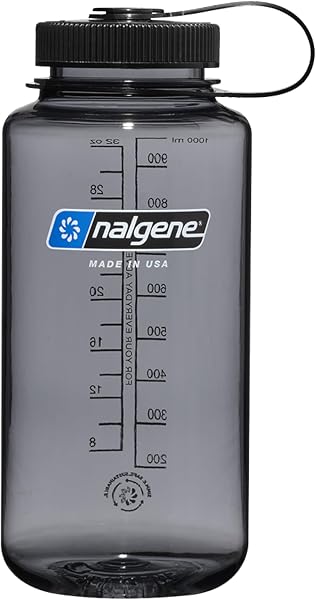
Is Nalgene Bottle dishwasher safe?
Yes — Nalgene says all of its bottles are dishwasher safe. Put the bottle and cap on the top rack, away from the heating element.
By Is It Dishwasher Safe · How we review. This is a reference guide, not a laboratory test.
Quick facts
| Dishwasher safe? | Yes — Dishwasher safe |
|---|---|
| Category | Drinkware |
| Source | Nalgene official FAQ ↗ |
| Page updated | 2026-07-09 |
Why
Nalgene's official FAQ is unambiguous: "All of our bottles are dishwasher safe. We recommend placing them on the top rack and away from any heating element." That covers the whole current lineup — clear Tritan copolyester bottles, Sustain bottles made with Tritan Renew (the recycled-content version of the same plastic, with the same care rules), and the soft, squeezable HDPE Ultralite bottles. The screw cap can go in the dishwasher too; Nalgene's own cleaning guide says to place both bottle and cap on the top shelf. The company even notes that its tall 48 oz Silo bottle can ride the bottom rack and handle a high-temperature sanitizing cycle, though the cap should stay up top where it's protected from the heating element. A few practical caveats keep a Nalgene looking and sealing like new. Tritan is a tough, BPA-free plastic that tolerates temperatures up to around the boiling point (212°F/100°C), but repeated heated-dry cycles can slowly dull or cloud any plastic, so an air-dry setting is gentler. HDPE softens at lower temperatures than Tritan, which is exactly why the top rack — farthest from the heating element — matters. Kids' caps (On-The-Fly lock-tops and Grip-N-Gulp sippy valves) have a removable valve that Nalgene says can go in the silverware basket or be hand washed. And if you own a genuinely old Nalgene from before 2008, it may be polycarbonate (the BPA era); those bottles are best retired or hand washed rather than run through hot cycles. After any wash, Nalgene recommends letting the bottle air-dry fully with the cap off before storing it — that's the single best defense against trapped moisture, odors, and funky smells.
How do you wash Nalgene Bottle?
- Unscrew the cap and empty the bottle.
- Place the bottle and cap on the top rack of the dishwasher, away from the heating element.
- If your dishwasher has the option, choose air dry instead of heated dry — gentler on any plastic.
- For kids' caps (On-The-Fly, Grip-N-Gulp), pop the valve out and drop it in the silverware basket, or hand wash it.
- For a deep clean, use Nalgene's own method: fill the bottle 2/3 with very warm water and a few drops of bleach, cap it, shake, let it sit an hour, scrub with a bottle brush, and rinse well.
- Let everything air-dry completely with the cap off before reassembling.
- Store the bottle with the cap off in a cool, dry place.
What happens if you put Nalgene Bottle in the dishwasher?
Nothing dramatic — this is one of the rare bottles the manufacturer actively tells you to machine wash. After one normal top-rack cycle, a Nalgene comes out clean and unchanged. Over many cycles, a few slow, mostly cosmetic effects can show up. Printed graphics fade with time; Nalgene notes prints are worn down by chemical contact (sunscreen is a known offender) and abrasion, and dishwasher detergent adds to that wear, so a printed or limited-edition bottle keeps its art longer if hand washed. Hard water and heated-dry cycles can leave a hazy film on the plastic — usually mineral deposits you can remove with a vinegar rinse, not permanent damage. If you routinely park the bottle on the bottom rack next to the heating element, the risk changes: direct radiant heat can warp or soften plastic, especially HDPE caps and Ultralite bottles, and a warped cap means leaks. Lingering smells after a wash aren't dishwasher damage either — they come from residue that festered before washing, and Nalgene's bleach-soak trick (2/3 warm water, a few drops of bleach, one hour) resets the bottle to neutral. Worth knowing: Nalgene's lifetime guarantee covers functional damage like cracks from regular use, but not cosmetic wear such as scratches or worn prints — another reason to keep graphics off the heating element.
Frequently asked questions
- Are Nalgene bottles dishwasher safe?
- Yes. Nalgene's FAQ states that all of its bottles are dishwasher safe — Tritan, Sustain (Tritan Renew), and HDPE alike — with top-rack placement away from the heating element recommended.
- Can you put a Nalgene in the dishwasher?
- Yes. Unscrew the cap, put both bottle and cap on the top rack, and run a normal cycle. Nalgene's own cleaning guide says no hand washing or small-parts fussing is required.
- Is the Nalgene lid dishwasher safe?
- Yes — the standard screw cap goes on the top rack along with the bottle. Kids' caps (On-The-Fly and Grip-N-Gulp) have a pop-out valve that Nalgene says can go in the silverware basket when it needs an extra clean.
- Can a Nalgene go on the bottom rack of the dishwasher?
- Nalgene says the bottle itself can handle the bottom rack and even a high-temperature sanitizing cycle — its advice for the tall 48 oz Silo. Keep the cap on the top rack, and keep any bottle away from the heating element.
- Are older polycarbonate Nalgene bottles dishwasher safe?
- Treat them differently. Nalgenes made before the 2008 switch to Tritan were polycarbonate, which contains BPA and can degrade with hot alkaline washing. Hand wash gently in warm water — or retire the bottle.
- Why is my Nalgene cloudy after the dishwasher?
- Usually it's a hard-water mineral film, not damage — rinse the bottle with white vinegar and it should clear. Permanent dulling only builds up after many heated-dry cycles; choosing air dry slows it down.
- How do I get a bad smell out of my Nalgene?
- Use Nalgene's official deep-clean: fill the bottle about 2/3 with very warm water plus a few drops of bleach, cap and shake, let it sit for an hour, scrub with a bottle brush, and rinse well. Then air-dry fully with the cap off — storing it capped while damp is what causes most odors.
- What temperature can a Nalgene bottle withstand?
- Tritan bottles tolerate temperatures up to about 212°F (100°C), comfortably above any dishwasher cycle. HDPE (Ultralite) bottles and caps soften at lower temperatures, so keep them on the top rack away from the heating element.
We may earn a commission from qualifying purchases through product links.
Check price on Amazon →More drinkware
Popular checks
Last updated 2026-07-09. General guidance — always check your product’s care label. How we verify · Dishwasher care guides.