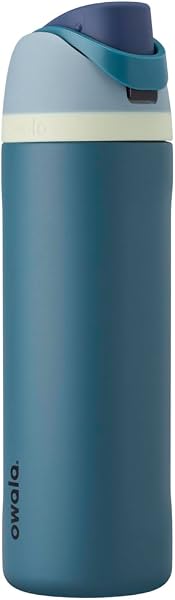
Is Hydro Flask dishwasher safe?
Sometimes — the stainless steel body is top-rack safe, but the lid and silicone gasket should be hand washed to prevent seal degradation and decal peeling.

Quick facts
| Dishwasher safe? | Sometimes — Sometimes — with care |
|---|---|
| Category | Drinkware |
| Source | Manufacturer guidance / material science |
| Last checked | 2026-06-29 |
Why
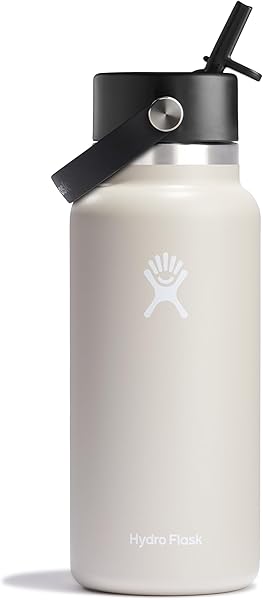
Hydro Flask bottles are made from 18/8 pro-grade stainless steel, which is dishwasher-safe in terms of corrosion resistance, but the high heat and alkaline detergent can cause the powder-coated exterior to fade, peel, or develop a chalky texture over time. The lid contains a silicone gasket and a plastic cap; repeated dishwasher cycles can degrade the silicone (causing it to lose elasticity and seal integrity) and warp the plastic components, leading to leaks. The manufacturer explicitly recommends hand washing all parts to preserve the finish and performance. Specifically, the decal or logo on the body may peel or fade after repeated dishwasher exposure. For the lid, the failure mode is seal degradation and potential cracking of the plastic. Therefore, while the body can technically survive occasional top-rack washing, the lid and gasket should never be machine washed.
How do you wash Hydro Flask?
- Disassemble the lid by unscrewing the cap and removing the silicone gasket from the lid's inner rim.
- Hand wash the stainless steel body with warm water and mild dish soap using a soft sponge; avoid abrasive scrubbers.
- Hand wash the lid and gasket separately in warm soapy water, ensuring all residue is removed from the gasket groove.
- Rinse all parts thoroughly with clean water to remove any soap residue.
- Air dry all components upside down on a drying rack; do not reassemble until completely dry to prevent mold.
- For stubborn stains or odors inside the body, use a mixture of baking soda and warm water, or a dedicated stainless steel cleaner.
- Reassemble the lid only after all parts are fully dry.
What happens if you put Hydro Flask in the dishwasher?
If you put a Hydro Flask in the dishwasher, after one wash you may notice slight water spots on the stainless steel body and a minor dulling of the powder coat finish. The lid's silicone gasket may appear slightly swollen or lose its snug fit, potentially causing minor leaks. After repeated washes (5-10 cycles), the powder coat will likely show visible fading, chipping, or peeling, especially around the rim and bottom edges. The decal or logo will begin to peel or flake off. The lid's plastic may warp, making it difficult to screw on or off, and the gasket will harden and crack, leading to significant leakage. The damage is primarily cosmetic for the body (faded finish) but functional for the lid (leakage and poor seal). The bottle will still hold liquid, but its insulation performance may degrade slightly if the vacuum seal is compromised by thermal stress, though this is rare.
Frequently asked questions
- Can I put my Hydro Flask in the freezer?
- Yes, the stainless steel body is freezer-safe, but avoid freezing the lid as the plastic and silicone can become brittle and crack. Leave at least 1 inch of headspace to allow for expansion.
- How do I remove stubborn odors from my Hydro Flask?
- Fill the bottle with a mixture of warm water and baking soda (2 tablespoons per liter) and let it soak for 15-30 minutes. Alternatively, use white vinegar or denture cleaning tablets. Rinse thoroughly.
- Is the Hydro Flask lid microwave-safe?
- No, the lid contains metal components and plastic that are not microwave-safe. Remove the lid before microwaving any liquid in the bottle, though the stainless steel body itself should not be microwaved.
- How often should I replace the lid or gasket?
- Replace the silicone gasket every 6-12 months if you notice it becoming loose, cracked, or if the lid leaks. The lid assembly may need replacement every 1-2 years depending on usage and wear.
More drinkware
Popular checks
Last updated 2026-06-29. General guidance — always check your product’s care label. How we verify · Dishwasher care guides.