Is Chef's Knife dishwasher safe?
Sometimes — the blade is not dishwasher safe, but the handle may be if it's full tang and sealed; most manufacturers recommend hand washing.
By Is It Dishwasher Safe · How we review. This is a reference guide, not a laboratory test.
Quick facts
| Dishwasher safe? | Sometimes — Sometimes — with care |
|---|---|
| Category | Utensils |
| Source | No manufacturer source linked; confirm the exact product instructions. |
| Page updated | 2026-06-29 |
Why
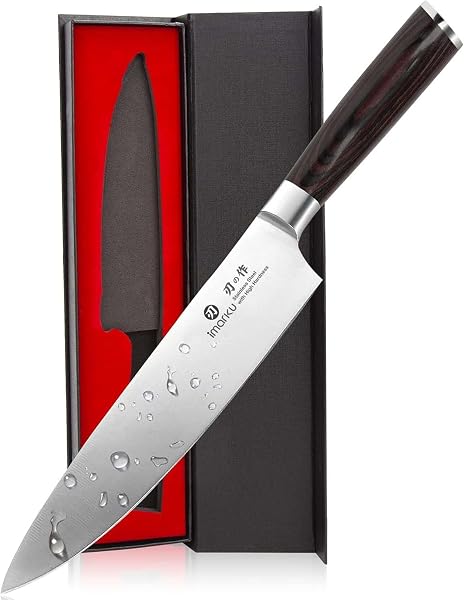
Chef's knives are typically made of high-carbon stainless steel (e.g., X50CrMoV15) and a handle material like polyoxymethylene (POM), pakkawood, or stainless steel. The dishwasher's high heat (up to 75°C/167°F) and alkaline detergents can cause the blade to develop micro-pitting and rust, especially at the edge. The handle may warp, crack, or discolor if it's wood or glued composite; even synthetic handles can degrade over time. The specific failure modes are: blade corrosion/rust, edge dulling from water jets, handle swelling or cracking, and loosening of rivets or adhesive. Most manufacturers, including Wüsthof and Zwilling, explicitly state that knives should be hand washed to preserve the edge and prevent damage. The blade is the most vulnerable part; the handle's safety depends on material and construction.
How do you wash Chef's Knife?
- Rinse the blade immediately after use under warm running water.
- Apply a drop of mild dish soap to a soft sponge.
- Gently wipe the blade from spine to edge (away from the cutting edge) and the handle.
- Rinse thoroughly with warm water.
- Dry immediately with a soft towel, paying attention to the tang and handle junction.
- Store in a knife block or on a magnetic strip, never loose in a drawer.
What happens if you put Chef's Knife in the dishwasher?
If you put a chef's knife in the dishwasher, after one wash you may notice a slight dulling of the edge and water spots on the blade. After repeated washes, the blade will develop visible rust spots and pitting, especially near the edge and bolster. The handle, if wood or pakkawood, will swell, crack, and the finish will peel. Synthetic handles may become brittle or discolored. The edge will become significantly duller, requiring professional sharpening. The damage is both cosmetic and functional: rust compromises the blade's integrity, and a dull knife is dangerous. The knife may become permanently unusable.
Frequently asked questions
- Can I use a chef's knife to cut on a glass cutting board?
- No, glass cutting boards are extremely hard and will dull the blade quickly. Use wood or plastic cutting boards instead.
- How often should I sharpen my chef's knife?
- Hone with a steel before each use and sharpen with a whetstone every 1-2 months, depending on usage.
- Can I put my chef's knife in the freezer?
- It is not recommended; extreme cold can make the blade brittle and the handle may crack.
- Is it safe to use a chef's knife to cut bones?
- No, chef's knives are not designed for bone; use a cleaver to avoid chipping the blade.
We may earn a commission from qualifying purchases through product links.
Check price on Amazon →More utensils

Popular checks
Last updated 2026-06-29. General guidance — always check your product’s care label. How we verify · Dishwasher care guides.