Is Plastic Cutting Board dishwasher safe?
Sometimes — most plastic cutting boards are top-rack safe, but thin or low-quality boards may warp, and boards with printed designs may lose the print.
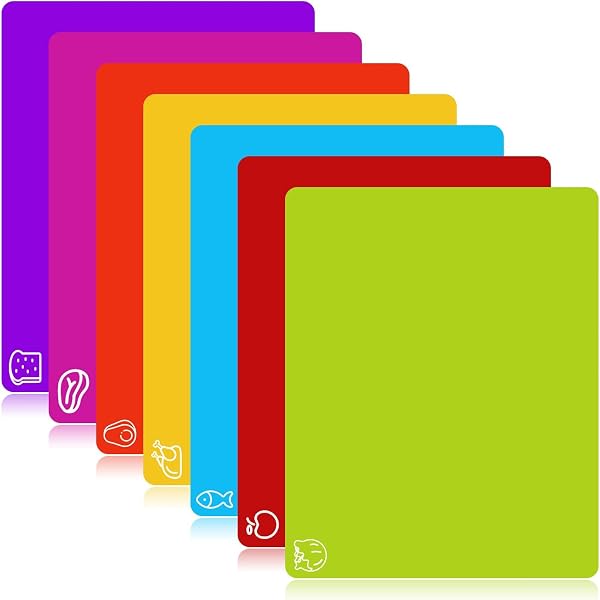
Quick facts
| Dishwasher safe? | Sometimes — Sometimes — with care |
|---|---|
| Category | Kitchen |
| Source | AI-reviewed · manufacturer guidance & material science |
| Last checked | 2026-07-28 |
Why
Plastic cutting boards are typically made of polyethylene (HDPE or LDPE) or polypropylene. These materials are generally heat-resistant up to around 200°F (93°C), but dishwasher high-heat cycles can exceed that, causing warping. The alkaline detergent can also cause clouding or etching over time, especially on softer plastics. Many manufacturers state that their boards are top-rack dishwasher safe, but they often recommend hand washing to prolong life. Thin boards (under 1/4 inch) are more prone to warping. Boards with printed logos or designs may experience decal peeling. The main failure modes are warping (functional, as board becomes uneven) and clouding/etching (cosmetic, but can harbor bacteria in scratches).
How do you wash Plastic Cutting Board?
- Rinse the board immediately after use to remove food debris.
- Scrub with a soft sponge and mild dish soap under warm running water.
- For stubborn stains, make a paste of baking soda and water and gently scrub.
- Rinse thoroughly with clean water.
- Pat dry with a clean towel or air dry upright.
- To sanitize, wipe with a diluted bleach solution (1 tsp bleach per quart of water) and rinse again.
What happens if you put Plastic Cutting Board in the dishwasher?
If you put a plastic cutting board in the dishwasher, after one wash you may notice slight cloudiness or a dull surface. After repeated washes, the board may warp, especially if it is thin or placed on the bottom rack near the heating element. Warping makes the board unstable and can cause it to rock while cutting, which is a safety hazard. The surface may become etched, creating microscopic grooves where bacteria can hide. If the board has a printed design, it may peel or fade. The damage is cumulative; a board that survives a few washes may eventually become unusable. In most cases, the board remains functional but less hygienic and less pleasant to use.
Frequently asked questions
- Can I use bleach to sanitize my plastic cutting board?
- Yes, you can use a diluted bleach solution (1 teaspoon bleach per quart of water) to sanitize. Rinse thoroughly after application.
- How often should I replace my plastic cutting board?
- Replace it when it develops deep grooves, warps, or becomes excessively stained. Typically every 1-2 years for heavy use.
- Can I put my plastic cutting board in the microwave?
- It depends on the plastic. Polypropylene is microwave-safe, but polyethylene may not be. Check the manufacturer's label. Avoid microwaving if unsure.
- What is the best way to remove stains from a plastic cutting board?
- Make a paste of baking soda and water, apply it to the stain, let it sit for 10 minutes, then scrub gently with a sponge. Rinse well.
More kitchen
Popular checks
Last updated 2026-07-28. General guidance — always check your product’s care label. How we verify · Dishwasher care guides.