Is Nonstick Pan dishwasher safe?
No — nonstick pans are not dishwasher safe because the high heat, harsh detergents, and water pressure degrade the nonstick coating and can warp the pan.
By Is It Dishwasher Safe · How we review. This is a reference guide, not a laboratory test.
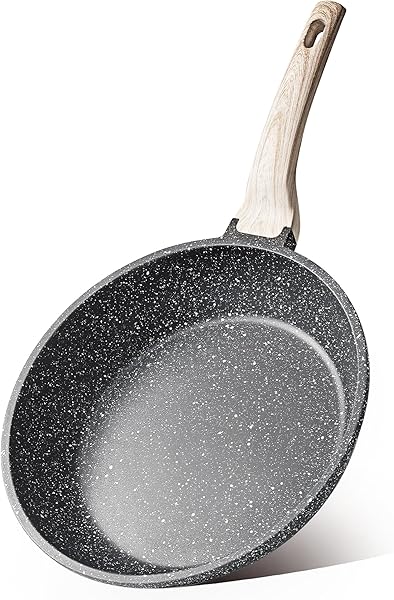
Quick facts
| Dishwasher safe? | No — Not dishwasher safe |
|---|---|
| Category | Cookware |
| Source | No manufacturer source linked; confirm the exact product instructions. |
| Page updated | 2026-06-29 |
Why
Nonstick pans are typically made of aluminum or stainless steel with a PTFE (Teflon) or ceramic nonstick coating. Dishwasher temperatures (often 140-160°F) and alkaline detergents accelerate the breakdown of PTFE coatings, causing them to blister, peel, and lose their nonstick properties. Ceramic coatings can become cloudy and lose their slickness. The high heat can also warp thin aluminum pans, leading to uneven cooking surfaces. Manufacturers like T-fal and Calphalon explicitly state that nonstick pans should be hand washed to preserve the coating. Even top-rack placement does not prevent chemical degradation from detergents. The pan body may survive, but the coating will fail prematurely, making the pan functionally unusable.
How do you wash Nonstick Pan?
- Allow the pan to cool completely before washing to prevent warping.
- Hand wash with a soft sponge or cloth and mild dish soap.
- Use warm water, not hot, to avoid thermal shock.
- For stuck-on food, soak the pan in warm soapy water for 10-15 minutes.
- Rinse thoroughly and dry immediately with a soft towel.
- Do not use abrasive scrubbers, steel wool, or harsh cleaners.
- Store with a protective layer (e.g., paper towel) between pans to prevent scratching.
What happens if you put Nonstick Pan in the dishwasher?
After one dishwasher cycle, you may notice minor cloudiness or a slight loss of slickness. After repeated washes (e.g., 10-20 cycles), the nonstick coating will begin to blister, peel, or flake off, especially on the cooking surface. The pan may also develop a white, chalky residue from detergent etching. Warping can occur if the pan is thin aluminum, causing it to wobble on the stove. The damage is functional and permanent: food will stick, and the coating may contaminate food. Once the coating is compromised, the pan should be replaced.
Frequently asked questions
- Can I use metal utensils on a nonstick pan?
- No, metal utensils can scratch and damage the nonstick coating. Use silicone, wood, or plastic utensils instead.
- What temperature is safe for nonstick pans?
- Most nonstick pans are safe up to 500°F (260°C) for PTFE coatings, but high heat can degrade the coating. Avoid preheating an empty pan and never use high heat.
- How often should I replace a nonstick pan?
- Replace a nonstick pan every 1-3 years, or sooner if you notice peeling, flaking, or significant scratching. Damaged coatings can release toxic fumes if overheated.
- Can nonstick pans go in the oven?
- Some nonstick pans are oven-safe up to a certain temperature (check manufacturer). However, the handles may not be oven-safe, and prolonged oven use can degrade the coating.
We may earn a commission from qualifying purchases through product links.
Check price on Amazon →More cookware
Popular checks
Last updated 2026-06-29. General guidance — always check your product’s care label. How we verify · Dishwasher care guides.