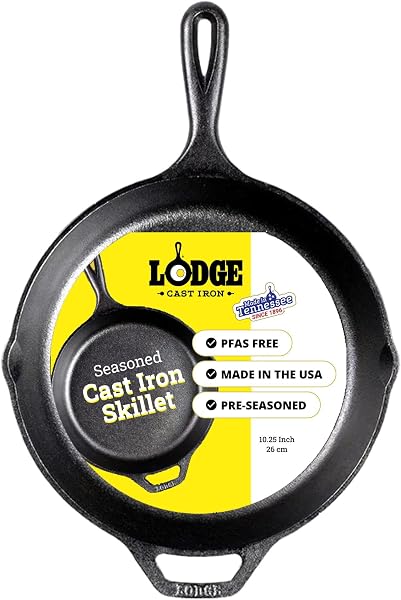
Is Cast Iron Skillet dishwasher safe?
No — cast iron skillets are not dishwasher safe because the high heat, prolonged moisture, and harsh alkaline detergent destroy the seasoning, promote rust, and can cause warping.
By Is It Dishwasher Safe · How we review. This is a reference guide, not a laboratory test.
Quick facts
| Dishwasher safe? | No — Not dishwasher safe |
|---|---|
| Category | Cookware |
| Source | No manufacturer source linked; confirm the exact product instructions. |
| Page updated | 2026-06-29 |
Why
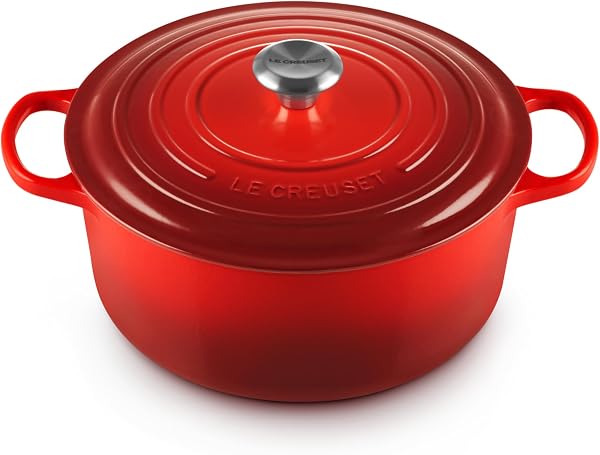
Cast iron is a ferrous metal that rusts when exposed to moisture and oxygen. Dishwashers subject it to high heat (up to 160°F/70°C), prolonged wet cycles, and alkaline detergents that strip the polymerized oil seasoning. The specific failure modes are: (1) seasoning breakdown — the detergent dissolves the protective oil layer, leaving bare iron; (2) rust — once seasoning is gone, the iron oxidizes rapidly, creating orange-brown flakes; (3) warping — rapid temperature changes in the dishwasher can cause thin cast iron to distort, leading to an uneven cooking surface. Manufacturers like Lodge and Le Creuset explicitly state to hand wash only. Even enameled cast iron (e.g., Le Creuset) should not go in the dishwasher because the enamel can dull or chip over time, and the metal rim (if exposed) will rust. There are no parts that are dishwasher safe; the entire skillet must be hand washed.
How do you wash Cast Iron Skillet?
- Let the skillet cool completely after cooking.
- Rinse with hot water and scrub with a stiff brush or chainmail scrubber to remove food residue — avoid soap unless necessary.
- For stuck-on bits, boil a little water in the skillet for 1-2 minutes, then scrape with a wooden spatula.
- If using soap, use a mild dish soap sparingly and rinse thoroughly.
- Dry immediately with a lint-free towel or heat on the stove over low heat until completely dry.
- Apply a very thin layer of vegetable oil or flaxseed oil to the entire surface (inside and out) while warm.
- Wipe off excess oil with a paper towel — the skillet should look dry, not greasy.
What happens if you put Cast Iron Skillet in the dishwasher?
After one dishwasher cycle, the seasoning will appear dull and patchy, and you may see faint orange rust spots on the cooking surface. The skillet will feel sticky or tacky from detergent residue. After repeated washes, the seasoning will be completely stripped, revealing raw gray iron. Rust will form rapidly, especially in humid conditions, creating flaky orange-brown deposits that can transfer to food. The skillet may also warp if it is thin or if the dishwasher's drying cycle is very hot — warping is permanent and causes the skillet to wobble on a flat burner, leading to uneven heating. The damage is both cosmetic and functional: rust is unsafe to ingest, and a warped skillet is difficult to use. Restoration is possible by scrubbing off rust and re-seasoning, but it is labor-intensive and the skillet may never perform as well as before.
Frequently asked questions
- Can I use soap on my cast iron skillet?
- Yes, mild dish soap is safe for occasional use, especially if the skillet has a well-established seasoning. Avoid harsh detergents or soaking, and rinse and dry immediately.
- What should I do if my cast iron skillet rusts?
- Scrub off the rust with steel wool or a chainmail scrubber, wash with mild soap, dry thoroughly, and re-season by applying a thin layer of oil and baking at 450°F for one hour.
- Can I cook acidic foods like tomatoes in cast iron?
- Occasional cooking of acidic foods is fine, but prolonged simmering can strip seasoning and impart a metallic taste. Avoid cooking highly acidic dishes for more than 30 minutes.
- How do I remove burnt-on food from a cast iron skillet?
- Boil a small amount of water in the skillet for 2-3 minutes, then scrape with a wooden spatula. For stubborn residue, use a chainmail scrubber or coarse salt as an abrasive.
We may earn a commission from qualifying purchases through product links.
Check price on Amazon →More cookware

Popular checks
Last updated 2026-06-29. General guidance — always check your product’s care label. How we verify · Dishwasher care guides.