Is Zoli baby bottle dishwasher safe?
Sometimes — the Tritan body is top-rack safe, but the lid and silicone gasket should be hand washed.
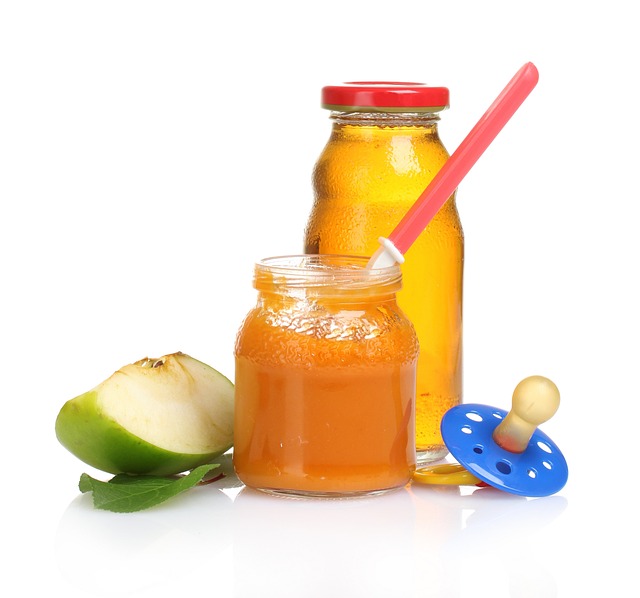
Quick facts
| Dishwasher safe? | Sometimes — Sometimes — with care |
|---|---|
| Category | Baby |
| Source | AI-reviewed · manufacturer guidance & material science |
| Last checked | 2026-07-28 |
Why
The Zoli baby bottle is made from Eastman Tritan copolyester, a BPA-free plastic that is generally dishwasher safe on the top rack due to its heat resistance up to about 100°C (212°F). However, the lid contains a silicone gasket and a polypropylene cap, which can degrade under prolonged high heat and harsh alkaline detergents. The specific failure modes include: (1) silicone gasket swelling or losing elasticity, leading to leaks; (2) polypropylene lid warping or cracking; (3) Tritan body may become cloudy or etched after repeated cycles if exposed to high heat (e.g., bottom rack) or abrasive detergents. The manufacturer recommends top-rack dishwasher use for the bottle body only, and hand washing for the lid and nipple to preserve seal integrity. Bottles with printed designs may experience decal peeling over time. Always consult the specific model's care instructions as some older versions may differ.
How do you wash Zoli baby bottle?
- Disassemble the bottle: remove the cap, nipple, and silicone gasket from the lid.
- Rinse all parts immediately after use to prevent milk residue from drying.
- Place the Tritan bottle body on the top rack of the dishwasher, away from the heating element.
- Hand wash the lid, silicone gasket, and nipple in warm soapy water using a soft sponge.
- Rinse all parts thoroughly with clean water to remove any soap residue.
- Air dry all components on a clean drying rack; avoid using a dish towel that may transfer lint.
- Inspect the silicone gasket regularly for signs of wear or deformation and replace if necessary.
What happens if you put Zoli baby bottle in the dishwasher?
If you put the entire Zoli bottle (including lid and gasket) in the dishwasher, especially on the bottom rack or in a high-heat cycle, the silicone gasket may swell or become brittle after just a few washes, causing the lid to leak. The polypropylene cap can warp, making it difficult to screw on or off. The Tritan body may develop a cloudy haze after repeated cycles due to etching from alkaline detergents, which is cosmetic but can make the bottle look worn. Over time, the nipple may degrade faster, becoming sticky or misshapen. The damage is primarily functional (leaks, poor seal) rather than structural failure of the bottle body, but the lid and gasket may need replacement within months. If the bottle has printed graphics, they may peel off after several washes, which is cosmetic but may be undesirable.
Frequently asked questions
- Can the Zoli bottle be sterilized by boiling?
- Yes, the Tritan body and polypropylene parts can be boiled for up to 5 minutes. Silicone parts can also be boiled, but avoid prolonged boiling to prevent degradation.
- Is the Zoli bottle microwave safe?
- The Tritan body is microwave safe for short periods (up to 30 seconds) to warm milk, but remove the lid and nipple first. Do not microwave with the cap on.
- How often should I replace the silicone gasket?
- Replace the silicone gasket every 2-3 months or sooner if you notice any swelling, cracking, or if the lid leaks during use.
- Can I use the Zoli bottle with hot liquids above 100°C?
- No, the Tritan material has a maximum temperature tolerance of about 100°C (212°F). Do not pour boiling water directly into the bottle or use it for hot beverages.
More baby
Popular checks
Last updated 2026-07-28. General guidance — always check your product’s care label. How we verify · Dishwasher care guides.