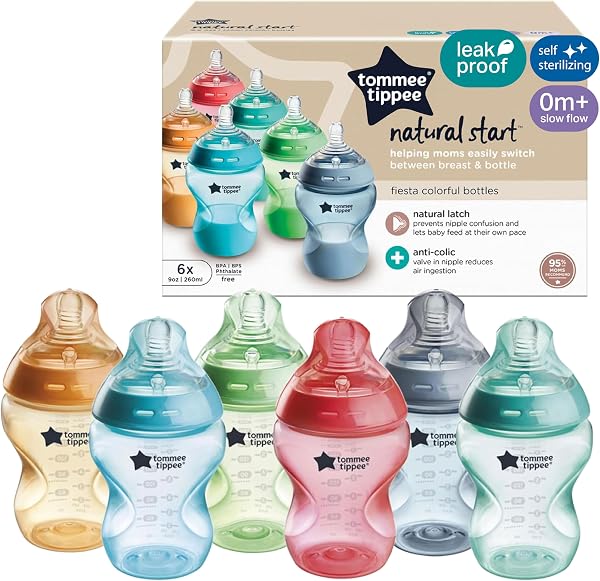
Is Tommee Tippee Bottles dishwasher safe?
Sometimes — the polypropylene (PP) bottle body is top-rack safe, but the silicone nipple, cap, and sealing ring should be hand washed.
Quick facts
| Dishwasher safe? | Sometimes — Sometimes — with care |
|---|---|
| Category | Baby |
| Source | AI-reviewed · manufacturer guidance & material science |
| Last checked | 2026-07-28 |
Why
Tommee Tippee bottles are primarily made of polypropylene (PP) for the bottle body and silicone for the nipple and sealing ring. PP is dishwasher safe on the top rack (away from heating element) as it withstands up to ~120°C without warping. However, silicone parts can degrade over time due to high heat and alkaline detergent, leading to loss of elasticity, surface stickiness, or cracking. The manufacturer recommends hand washing all parts to prolong life, but states the bottle body is top-rack dishwasher safe. Repeated machine washing of silicone nipples may cause them to become brittle or misshapen, compromising the seal and increasing leak risk. The bottle body may become cloudy or etched after many cycles, but this is cosmetic. Decals or printed markings can peel off if exposed to high heat. For optimal longevity, hand wash nipples and caps, and place bottles only on the top rack.
How do you wash Tommee Tippee Bottles?
- Disassemble the bottle: remove the cap, nipple, and sealing ring from the bottle body.
- Rinse all parts immediately after use with cool water to remove milk residue.
- Hand wash the nipple, cap, and sealing ring in warm, soapy water using a soft brush; rinse thoroughly.
- Place the bottle body on the top rack of the dishwasher, away from the heating element.
- Use a gentle, fragrance-free detergent to avoid residue buildup.
- Air dry all parts completely before reassembling to prevent mold growth.
- Inspect nipples regularly for signs of wear and replace every 1-2 months.
What happens if you put Tommee Tippee Bottles in the dishwasher?
If you put the entire bottle (including nipple and cap) in the dishwasher, after one wash you may notice the silicone nipple becomes slightly tacky or loses its matte finish. The bottle body may appear clouded if washed on the bottom rack near the heating element. After repeated washes (10+ cycles), the silicone nipple can become brittle, develop cracks, or deform, leading to leaks and potential choking hazard. The sealing ring may lose its grip, causing the bottle to leak when shaken. The printed measurement markings may fade or peel. The damage is functional: a degraded nipple can fail during feeding, and a compromised seal leads to spills. The bottle body itself remains structurally sound but may look permanently etched.
Frequently asked questions
- Can I boil Tommee Tippee bottles to sterilize them?
- Yes, all parts can be boiled for up to 5 minutes. However, avoid prolonged boiling as it can accelerate wear on silicone nipples.
- What water temperature can the bottles withstand?
- Polypropylene bottle bodies can withstand temperatures up to 120°C (248°F). Silicone nipples are heat resistant up to about 200°C but may degrade with repeated high heat.
- How often should I replace the silicone nipple?
- Replace nipples every 1-2 months or sooner if you notice signs of wear like stickiness, cracks, or changes in shape.
- Can I use the bottles in the microwave to warm milk?
- Yes, the bottle body is microwave safe, but remove the cap and nipple before microwaving. Always test the milk temperature before feeding.
More baby

Popular checks
Last updated 2026-07-28. General guidance — always check your product’s care label. How we verify · Dishwasher care guides.