Is Tart Pan dishwasher safe?
Sometimes — the metal pan body is typically dishwasher safe, but the nonstick coating may degrade over time, and any silicone or plastic parts should be hand washed.
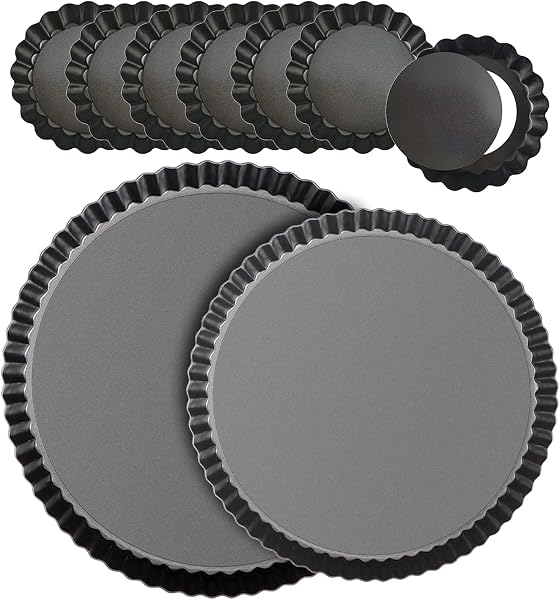
Quick facts
| Dishwasher safe? | Sometimes — Sometimes — with care |
|---|---|
| Category | Bakeware |
| Source | AI-reviewed · manufacturer guidance & material science |
| Last checked | 2026-07-28 |
Why
Tart pans are commonly made from carbon steel or aluminized steel with a nonstick coating (e.g., PTFE or ceramic). Dishwasher detergents are highly alkaline (pH 10-12) and combined with high heat (up to 75°C/167°F) can accelerate the breakdown of nonstick coatings, causing them to peel, blister, or lose their release properties. The metal itself is durable and won't rust if it's properly coated, but exposed edges or scratches can lead to rust spots. Many manufacturers, such as Wilton, state that their nonstick bakeware is top-rack dishwasher safe but recommend hand washing to prolong the nonstick life. For pans with removable bottoms or silicone rims, those parts should be hand washed to prevent warping or seal degradation. Repeated machine washing will cause the nonstick coating to fail faster, leading to food sticking and potential flaking into food.
How do you wash Tart Pan?
- Allow the pan to cool completely before cleaning to prevent warping.
- Hand wash with warm water, mild dish soap, and a soft sponge or non-abrasive cloth.
- For stuck-on residue, soak in warm soapy water for 15-20 minutes, then gently scrub.
- Rinse thoroughly with clean water to remove all soap residue.
- Dry immediately with a soft towel to prevent water spots or rust on exposed metal edges.
- If the pan has a removable bottom, wash it separately and dry all parts thoroughly before reassembling.
What happens if you put Tart Pan in the dishwasher?
If you put a nonstick tart pan in the dishwasher, after one wash you may notice slight dulling of the coating and water spots. After repeated washes (10-20 cycles), the nonstick coating will begin to peel or blister, especially on the bottom and fluted edges. The coating may also become discolored or develop a rough texture. This damage is cosmetic initially but becomes functional as food starts to stick and the coating flakes may contaminate food. Exposed metal edges can rust, creating permanent stains. The pan will still be usable but will require greasing and may not release tarts cleanly. If the pan is plain metal (uncoated), it may develop rust spots after a few washes if not dried immediately.
Frequently asked questions
- Can I use metal utensils on a nonstick tart pan?
- No, metal utensils can scratch and damage the nonstick coating. Use silicone, wood, or plastic utensils to preserve the coating.
- What temperature can a tart pan withstand in the oven?
- Most nonstick tart pans are safe up to 450°F (232°C). Always check the manufacturer's guidelines, as some coatings may have lower limits.
- How often should I replace a nonstick tart pan?
- Replace it when the coating shows significant peeling, flaking, or scratching, or when food consistently sticks despite greasing. Typically every 2-3 years with regular use.
More bakeware
Popular checks
Last updated 2026-07-28. General guidance — always check your product’s care label. How we verify · Dishwasher care guides.