Is Slow Cooker Insert dishwasher safe?
Sometimes — the ceramic or stoneware insert is generally dishwasher safe, but the metal lid, gasket, and any plastic components should be hand washed.
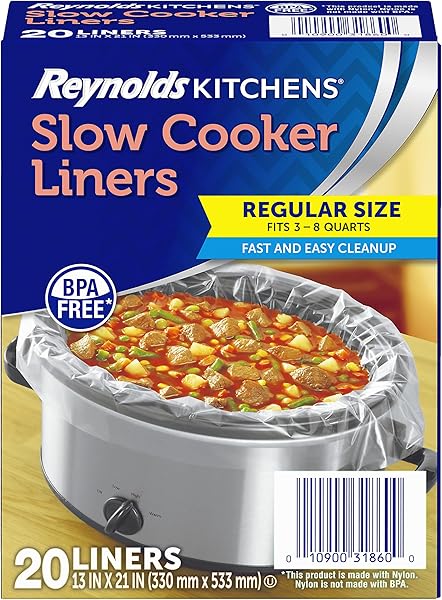
Quick facts
| Dishwasher safe? | Sometimes — Sometimes — with care |
|---|---|
| Category | Appliances |
| Source | AI-reviewed · manufacturer guidance & material science |
| Last checked | 2026-07-28 |
Why
Slow cooker inserts are typically made of glazed ceramic or stoneware, which is durable and can withstand dishwasher heat (up to 160°F/71°C) and alkaline detergents without warping or clouding. However, the metal lid (often aluminum or stainless steel) may discolor or corrode over time, and the silicone gasket can degrade, losing its seal. The manufacturer's care guide (e.g., Crock-Pot) states the stoneware insert is dishwasher safe, but the lid and gasket should be hand washed to prolong their life. Repeated machine washing of the lid can cause oxidation or pitting, while the gasket may become brittle and fail. Decals or prints on the insert are typically fired on and safe, but any adhesive labels will peel. Always check your specific model: some older inserts may have metallic trim that can tarnish.
How do you wash Slow Cooker Insert?
- Remove the lid and any silicone gasket from the lid.
- Hand wash the lid and gasket with mild dish soap and a soft sponge; rinse thoroughly.
- For the ceramic insert, scrape out any food residue and rinse.
- Place the insert in the dishwasher on the top rack, away from heating elements.
- Use a gentle cycle (no heated dry) to minimize thermal shock.
- After cycle, let the insert cool completely before handling.
- Wipe the lid and gasket dry and reassemble.
What happens if you put Slow Cooker Insert in the dishwasher?
If you put the entire slow cooker (including lid and gasket) in the dishwasher, after one wash you may notice minor water spots on the lid. After repeated washes, the metal lid can develop oxidation or pitting, especially if it's aluminum, leading to a dull, rough surface. The silicone gasket may swell, crack, or lose elasticity, causing steam to escape and affecting cooking performance. The ceramic insert itself is unlikely to suffer damage, but if it has a metallic rim or decal, those may fade or peel. The damage is cosmetic for the lid but functional for the gasket, potentially requiring replacement.
Frequently asked questions
- Can the slow cooker insert go in the microwave?
- Most ceramic or stoneware inserts are microwave-safe, but check the manufacturer's label. Avoid sudden temperature changes to prevent cracking.
- What water temperature can the insert withstand?
- Ceramic inserts can typically withstand temperatures up to 400°F (204°C), but rapid temperature changes (e.g., from fridge to hot oven) can cause thermal shock and cracking.
- Will the coating peel over time?
- Glazed ceramic inserts do not have a coating that peels; the glaze is fused to the clay. However, metal lids may have a nonstick coating that can peel if scratched or overheated.
- How often should the slow cooker insert be replaced?
- Replace the insert if you see cracks, chips, or deep scratches, as these can harbor bacteria and weaken the structure. With proper care, it can last many years.
More appliances

Popular checks
Last updated 2026-07-28. General guidance — always check your product’s care label. How we verify · Dishwasher care guides.