Is Silicone Muffin Cups dishwasher safe?
Yes — pure silicone muffin cups are dishwasher safe because silicone is heat-stable up to 450°F and resistant to alkaline detergents.
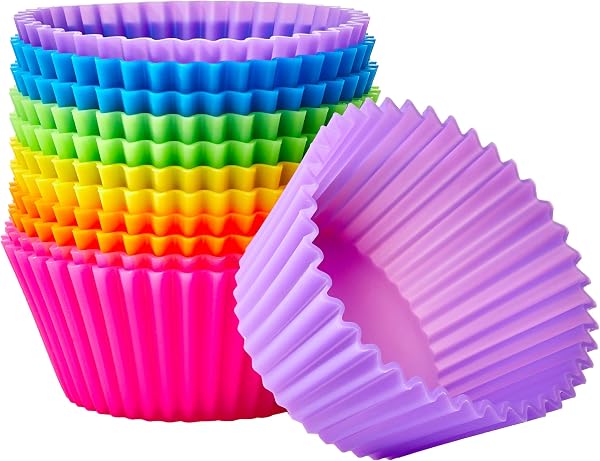
Quick facts
| Dishwasher safe? | Yes — Dishwasher safe |
|---|---|
| Category | Bakeware |
| Source | AI-reviewed · manufacturer guidance & material science |
| Last checked | 2026-07-28 |
Why
Silicone muffin cups are made from food-grade silicone, a thermoset polymer that withstands high heat (typically up to 450°F) without melting or warping. The material is non-porous and chemically inert, so it does not react with alkaline dishwasher detergents. The specific failure mode for silicone is not warping or coating breakdown (since silicone is homogeneous and has no coating), but rather potential staining from oily foods or absorption of odors over time. However, this is cosmetic and does not affect functionality. Most manufacturers, such as Silpat and Wilton, explicitly state that their silicone bakeware is dishwasher safe. There are no parts to disassemble; the entire cup is one piece. Repeated dishwasher use may cause slight discoloration but no structural degradation.
How do you wash Silicone Muffin Cups?
- Remove any leftover batter or crumbs by tapping the cup over the trash.
- Place silicone muffin cups on the top rack of the dishwasher, ensuring they are not nested tightly to allow water flow.
- Use a standard dishwasher cycle with a mild detergent (avoid bleach or abrasive cleaners).
- For stubborn stains, pre-soak in a mixture of baking soda and warm water for 15 minutes before loading.
- After the cycle, remove cups and allow them to air dry completely before storing.
- If any greasy residue remains, hand wash with a soft sponge and dish soap, then rinse thoroughly.
What happens if you put Silicone Muffin Cups in the dishwasher?
If you put silicone muffin cups in the dishwasher, the outcome is generally excellent. After one wash, they will come out clean and dry with no visible changes. After repeated washes (50+ cycles), you may notice a slight dulling of the surface or minor staining from deeply colored foods like tomato sauce or turmeric. This staining is cosmetic only and does not affect the silicone's non-stick properties or safety. The cups will not warp, crack, or degrade because silicone is highly durable. The only functional risk is if the cups are not pure silicone (e.g., filled with fillers or coated), but reputable brands use 100% food-grade silicone. In rare cases, if the cups are very thin or low-quality, they might become slightly sticky over time, but this is not typical for standard silicone bakeware.
Frequently asked questions
- Can silicone muffin cups go in the microwave?
- Yes, pure silicone muffin cups are microwave-safe up to about 450°F. They are flexible and won't spark or melt, making them ideal for reheating or even baking small items in the microwave.
- Will silicone muffin cups stain from foods like turmeric or tomato sauce?
- Yes, silicone can absorb pigments from strongly colored foods, leading to staining. This is cosmetic and does not affect safety or performance. To minimize staining, rinse cups immediately after use or soak in a baking soda paste.
- Can silicone muffin cups be used in the freezer?
- Yes, silicone muffin cups are freezer-safe down to -40°F. They are flexible even when frozen, making it easy to pop out frozen muffin batter or individual portions.
- How long do silicone muffin cups last?
- With proper care, high-quality silicone muffin cups can last for years. They do not degrade from normal use, but over time they may become sticky or lose their non-stick properties if exposed to high heat repeatedly. Replace them if they develop tears or a greasy film that won't wash off.
More bakeware
Popular checks
Last updated 2026-07-28. General guidance — always check your product’s care label. How we verify · Dishwasher care guides.