Is Plastic water bottle dishwasher safe?
Sometimes — the Tritan body is top-rack safe, but the lid and gasket should be hand washed.
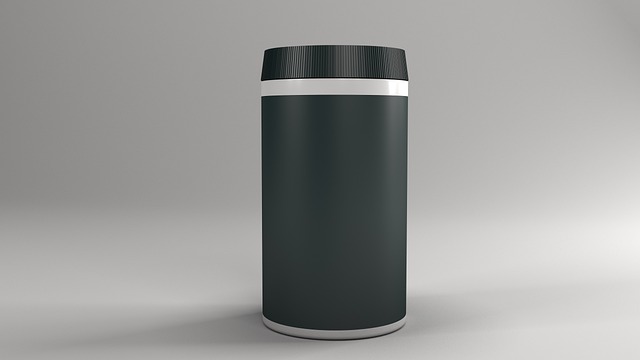
Quick facts
| Dishwasher safe? | Sometimes — Sometimes — with care |
|---|---|
| Category | Drinkware |
| Source | AI-reviewed · manufacturer guidance & material science |
| Last checked | 2026-07-28 |
Why
Most plastic water bottles are made from Tritan copolyester (BPA-free) or polypropylene (PP). Tritan is dishwasher-safe on the top rack up to about 85°C (185°F), but repeated high heat can cause stress cracking or clouding (etching). Polypropylene lids and silicone gaskets degrade faster: the gasket loses elasticity and may leak, and the lid can warp if placed on the bottom rack near the heating element. Many manufacturers (e.g., Nalgene, CamelBak) explicitly state that the bottle body is top-rack safe but recommend hand washing the lid and any rubber seals to prolong life. The primary failure modes are: (1) silicone gasket swelling or cracking, (2) polypropylene lid warping, (3) Tritan body becoming cloudy or developing stress cracks after many cycles, and (4) print or decal peeling if the bottle has graphics. Always consult your specific brand's care guide.
How do you wash Plastic water bottle?
- Disassemble the lid: unscrew the cap and remove the silicone gasket and any flip-top mechanism.
- Hand wash the lid, gasket, and any small parts in warm soapy water using a soft sponge; rinse thoroughly.
- Place the bottle body upside down on the top rack of the dishwasher, away from the heating element.
- Use a gentle cycle with low heat (no heated dry) to minimize thermal stress.
- After the cycle, remove the bottle immediately and air dry completely before reassembling.
- Reassemble the lid only after all parts are fully dry to prevent mold growth.
What happens if you put Plastic water bottle in the dishwasher?
If you put the entire plastic water bottle (including lid and gasket) in the dishwasher on a standard cycle with heated dry, after one wash you may notice the silicone gasket feels slightly stiffer or the lid has a minor warp. After repeated washes (10+ cycles), the gasket can crack or lose its seal, causing leaks. The bottle body may develop a cloudy, etched appearance (especially if washed on the bottom rack) due to alkaline detergent attacking the polymer surface. Stress cracks can appear near the threads or base. The damage is initially cosmetic but becomes functional: the bottle may leak, the lid may not screw on properly, and the gasket may fail. If the bottle has printed logos, they will peel off after a few washes. The Tritan body itself is durable but will eventually weaken and may crack under pressure.
Frequently asked questions
- Can I put my plastic water bottle in the freezer?
- Most Tritan and polypropylene bottles are freezer-safe, but leave some headspace as water expands. Avoid freezing the lid if it has a complex mechanism, as ice can crack seals.
- What water temperature can the bottle withstand?
- Tritan copolyester is heat resistant up to about 100°C (212°F) for short periods, but prolonged exposure above 85°C can cause warping. Polypropylene lids handle up to 120°C (248°F) but may soften near that limit.
- How often should I replace my plastic water bottle?
- Replace the bottle if you see cracks, cloudiness, or a persistent odor. The silicone gasket should be replaced every 3-6 months if used daily, or sooner if it becomes stiff or leaks.
- Can I microwave my plastic water bottle?
- No, unless explicitly labeled microwave-safe. Most plastic water bottles are not designed for microwave use; the heat can warp the bottle and cause leaks or chemical leaching.
More drinkware
Popular checks
Last updated 2026-07-28. General guidance — always check your product’s care label. How we verify · Dishwasher care guides.