Is plastic baby bowl dishwasher safe?
Sometimes — the plastic body is top-rack safe if labeled dishwasher-safe, but the silicone gasket and any printed decals should be hand washed.
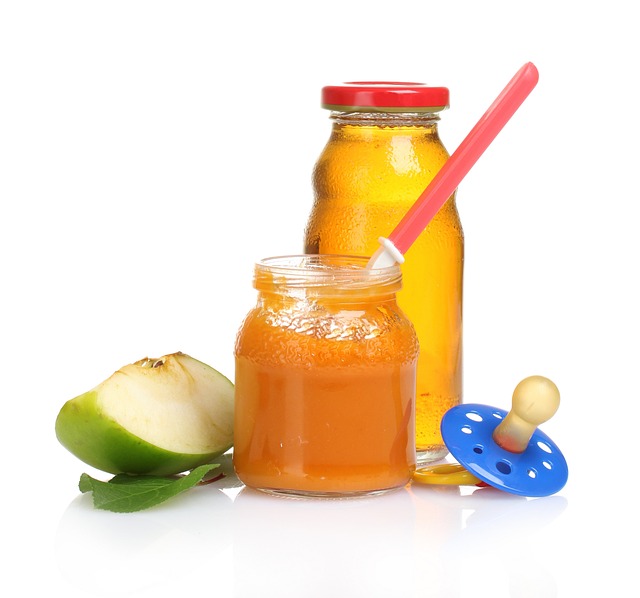
Quick facts
| Dishwasher safe? | Sometimes — Sometimes — with care |
|---|---|
| Category | Baby |
| Source | AI-reviewed · manufacturer guidance & material science |
| Last checked | 2026-07-28 |
Why
Most plastic baby bowls are made from polypropylene (PP) or Tritan copolyester. PP is generally dishwasher-safe (top rack) because it resists heat up to 120°C and is unaffected by alkaline detergents, though repeated high heat can cause warping or stress cracking. Tritan is also dishwasher-safe but may become cloudy or etched over time due to detergent abrasives. Silicone gaskets or seals can degrade, swell, or lose elasticity after repeated dishwasher cycles, leading to leaks. Printed decals or labels often peel or fade after a few washes. Manufacturers like Munchkin or Nuby typically state the bowl is top-rack safe but recommend hand washing lids and gaskets. The specific failure modes are warping (body), clouding/etching (Tritan), seal degradation (silicone), and decal peeling (printed graphics).
How do you wash plastic baby bowl?
- Disassemble the bowl: remove the lid and any silicone gasket or seal.
- Hand wash the silicone gasket with mild dish soap and warm water; rinse thoroughly.
- Place the plastic bowl on the top rack of the dishwasher, away from the heating element.
- Use a gentle cycle with low heat drying or air dry.
- Hand wash the lid with a soft sponge to preserve any decals or prints.
- Air dry all parts completely before reassembling.
What happens if you put plastic baby bowl in the dishwasher?
If you put a plastic baby bowl in the dishwasher, after one wash you may notice no visible change, but repeated washes (10+) can cause the plastic to warp slightly, especially if placed on the bottom rack near the heating element. The silicone gasket may become stiff or lose its seal, leading to leaks. Printed characters or patterns will begin to peel or fade after 5-10 cycles. The bowl itself may develop a cloudy or etched appearance if made of Tritan. These changes are cosmetic at first but can become functional: a warped bowl may not sit flat, and a degraded gasket can cause spills. The damage is cumulative and permanent.
Frequently asked questions
- Can I microwave the plastic baby bowl?
- Most polypropylene baby bowls are microwave-safe for short periods (up to 2-3 minutes), but always check the manufacturer's label. Avoid microwaving with the lid on to prevent pressure buildup.
- What water temperature can the bowl withstand?
- Polypropylene can typically withstand temperatures up to 120°C (248°F), making it safe for boiling water or dishwasher heat. However, prolonged exposure above 100°C may cause warping.
- Will the silicone gasket need replacement over time?
- Yes, silicone gaskets can degrade after 6-12 months of regular use, especially if dishwashed. Replace if you notice leaks, cracks, or loss of elasticity.
- Can I put the bowl in the freezer?
- Yes, polypropylene and Tritan bowls are generally freezer-safe. However, avoid sudden temperature changes (e.g., from freezer to microwave) to prevent cracking.
More baby
Popular checks
Last updated 2026-07-28. General guidance — always check your product’s care label. How we verify · Dishwasher care guides.