Is Pizza Peel dishwasher safe?
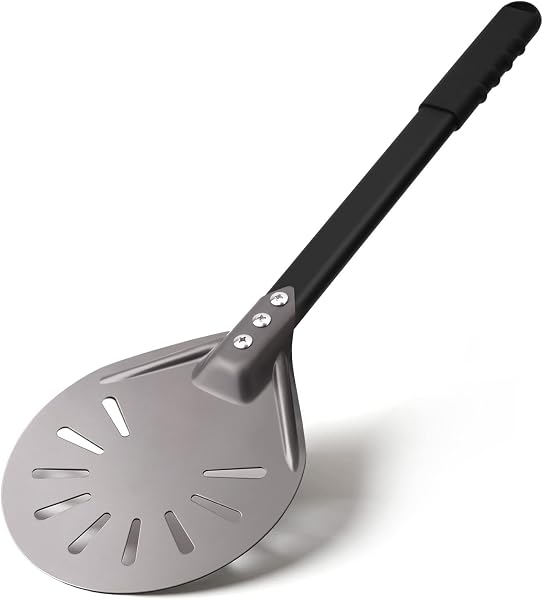
Sometimes — a metal pizza peel is generally dishwasher safe, but a wooden or bamboo peel is not; composite or coated peels may be top-rack safe only.
Quick facts
| Dishwasher safe? | Sometimes — Sometimes — with care |
|---|---|
| Category | Utensils |
| Source | AI-reviewed · manufacturer guidance & material science |
| Last checked | 2026-07-28 |
Why
Pizza peels are made from various materials: aluminum, stainless steel, wood, bamboo, or composite with nonstick coating. Aluminum peels can oxidize and discolor in the dishwasher due to alkaline detergent, leading to pitting or a dull gray finish. Stainless steel peels are dishwasher safe but may develop water spots or minor etching over time. Wooden or bamboo peels will absorb moisture, causing warping, cracking, and potential mold growth; the high heat and moisture degrade the wood's integrity. Nonstick-coated peels may have the coating break down from harsh detergents and high heat, leading to peeling and loss of nonstick properties. Most manufacturers recommend hand washing wooden and coated peels to preserve their lifespan. For metal peels, the handle material (e.g., plastic or riveted wood) may also be a concern; plastic handles can warp or become brittle. Always check the specific peel's care instructions.
How do you wash Pizza Peel?
- For wooden or bamboo peels, wipe clean with a damp cloth immediately after use; do not soak.
- For metal peels, rinse off food residue under warm water.
- Use a soft sponge with mild dish soap to gently scrub the surface.
- For stubborn dough residue, let the peel sit with warm water for a few minutes, then scrub.
- Rinse thoroughly with clean water.
- Dry immediately with a soft towel to prevent water spots or rust.
- Store in a dry place; for wooden peels, occasionally rub with food-grade mineral oil.
What happens if you put Pizza Peel in the dishwasher?
If you put a wooden or bamboo pizza peel in the dishwasher, after one wash you may notice the wood feels rough or slightly swollen. After repeated washes, the wood will warp, crack, and potentially split, making the peel unusable. Mold and mildew can develop in the cracks. For an aluminum peel, one wash may cause slight discoloration; after many washes, the surface becomes dull and pitted, which is cosmetic but can affect food release. Nonstick-coated peels will show peeling and flaking after a few cycles, compromising the nonstick surface and potentially contaminating food. Stainless steel peels fare best but may develop minor etching or water spots that are mostly cosmetic. In all cases, the damage is cumulative and often irreversible.
Frequently asked questions
- Can I use a metal pizza peel on a hot stone or steel?
- Yes, metal peels are designed to withstand high heat and are safe for use with hot pizza stones or baking steels. However, avoid leaving the peel on the hot surface for extended periods to prevent heat transfer to the handle.
- How do I remove rust from a stainless steel pizza peel?
- Light rust can be removed with a paste of baking soda and water or a stainless steel cleaner. Scrub gently with a non-abrasive pad, rinse, and dry thoroughly. For persistent rust, use a fine-grit sandpaper or a commercial rust remover.
- Can I cut pizza directly on the peel?
- It is not recommended to cut pizza on the peel, as knives can scratch metal or nonstick coatings and damage wood. Always transfer the pizza to a cutting board before slicing.
- How often should I oil a wooden pizza peel?
- Oil a wooden peel every few months or when the wood appears dry. Use food-grade mineral oil, apply a thin coat, let it soak in, and wipe off excess. This prevents drying and cracking.
More utensils
Popular checks
Last updated 2026-07-28. General guidance — always check your product’s care label. How we verify · Dishwasher care guides.