Is nonstick muffin tin dishwasher safe?
No — nonstick muffin tins are not dishwasher safe because the high heat, harsh detergents, and prolonged moisture degrade the nonstick coating and can cause the pan to warp.
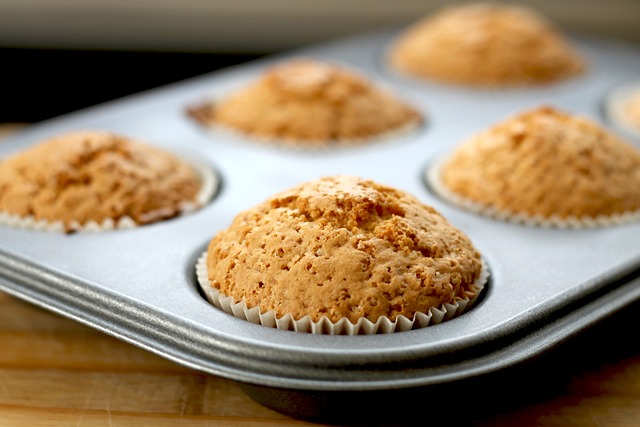
Quick facts
| Dishwasher safe? | No — Not dishwasher safe |
|---|---|
| Category | Bakeware |
| Source | AI-reviewed · manufacturer guidance & material science |
| Last checked | 2026-07-28 |
Why
Nonstick muffin tins are typically made of aluminum or carbon steel with a PTFE (Teflon) or ceramic nonstick coating. Dishwasher cycles reach temperatures of 130–170°F (54–77°C) and use alkaline detergents that are aggressive to nonstick surfaces. The specific failure modes include: (1) coating breakdown — the PTFE or ceramic layer can blister, peel, or lose its nonstick properties due to thermal shock and chemical attack; (2) warping — thin aluminum pans can distort under high heat and water pressure, leading to uneven baking; (3) oxidation — exposed aluminum can discolor and form a grayish residue. Manufacturers like Wilton and USA Pan explicitly state that nonstick bakeware should be hand washed to preserve the coating. There are no separate parts (lid, gasket, etc.) — the entire tin is a single piece. Even top-rack placement does not prevent damage because the detergent and heat still reach the surface.
How do you wash nonstick muffin tin?
- Allow the muffin tin to cool completely after baking.
- Rinse off loose crumbs under warm running water.
- Apply a small amount of mild dish soap to a soft sponge or cloth.
- Gently scrub the cups and rim in circular motions, avoiding abrasive pads.
- For stuck-on residue, soak the tin in warm soapy water for 15–20 minutes, then scrub.
- Rinse thoroughly with warm water to remove all soap.
- Dry immediately with a soft towel to prevent water spots and oxidation.
What happens if you put nonstick muffin tin in the dishwasher?
After a single dishwasher wash, you may notice a slight dulling of the nonstick surface and perhaps a few tiny bubbles or blisters in the coating. The pan might feel slightly less slick. After repeated washes (5–10 cycles), the coating will begin to peel or flake, especially around the edges of the cups. Exposed aluminum will oxidize, turning gray or white, and the pan may warp, causing muffins to bake unevenly. The damage is both cosmetic and functional: the nonstick performance degrades permanently, and flaking coating can contaminate food. Once the coating is compromised, the pan should be replaced.
Frequently asked questions
- What water temperature can a nonstick muffin tin withstand?
- Most nonstick coatings can handle oven temperatures up to 450°F (232°C), but dishwasher temperatures (130–170°F) combined with detergents cause chemical degradation. Hand washing with warm water (around 100°F) is safe.
- Will the nonstick coating peel over time even with hand washing?
- Yes, with normal use and hand washing, the coating will gradually wear down after 1–3 years, depending on frequency and care. Using metal utensils or abrasive scrubbers accelerates peeling.
- Can a nonstick muffin tin be used in the microwave?
- No, nonstick muffin tins are typically made of metal and should never go in the microwave, as metal can cause sparks and damage the appliance.
- How often should a nonstick muffin tin be replaced?
- Replace it when you notice significant peeling, flaking, or loss of nonstick performance, usually every 1–3 years with regular use. If the coating is damaged, stop using it to avoid ingesting coating particles.
More bakeware
Popular checks
Last updated 2026-07-28. General guidance — always check your product’s care label. How we verify · Dishwasher care guides.