Is Nonstick muffin pan dishwasher safe?
Sometimes — the nonstick coating is vulnerable to dishwasher detergents and high heat, so hand washing is recommended for longevity. However, some manufacturers state the pan is top-rack dishwasher safe if the coating is PTFE-based and the pan is anodized aluminum.
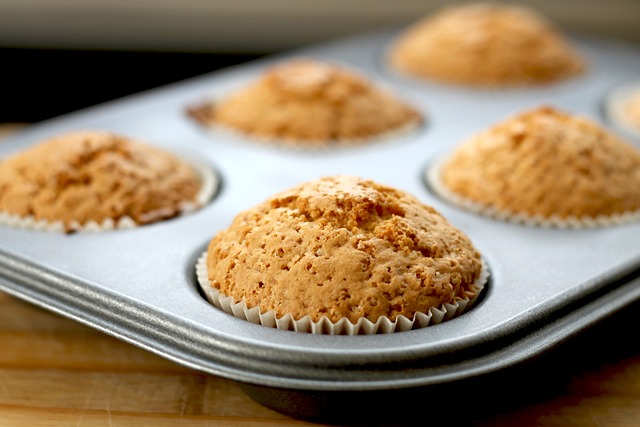
Quick facts
| Dishwasher safe? | Sometimes — Sometimes — with care |
|---|---|
| Category | Bakeware |
| Source | AI-reviewed · manufacturer guidance & material science |
| Last checked | 2026-07-28 |
Why
The pan is typically made of aluminum or steel with a nonstick coating (PTFE or ceramic). Dishwasher detergents are highly alkaline and can break down PTFE over time, causing the coating to peel or blister. High heat can also warp thin aluminum pans. Ceramic coatings may become dull or lose nonstick properties. Most manufacturers (e.g., Wilton, USA Pan) recommend hand washing to preserve the coating. If the pan is anodized aluminum with a reinforced PTFE, some brands (e.g., Calphalon) allow top-rack washing, but the coating will degrade faster. The specific failure modes are coating breakdown (peeling, blistering) and potential warping of the pan body.
How do you wash Nonstick muffin pan?
- Allow the pan to cool completely before washing to prevent thermal shock.
- Rinse off loose food debris under warm running water.
- Apply a small amount of mild dish soap to a soft sponge or cloth.
- Gently scrub the nonstick surface in circular motions; avoid abrasive pads or steel wool.
- Rinse thoroughly with warm water to remove all soap residue.
- Pat dry with a soft towel or air dry completely before storing.
- For stuck-on residue, soak in warm soapy water for 10-15 minutes before scrubbing.
What happens if you put Nonstick muffin pan in the dishwasher?
After one dishwasher cycle, you may notice slight water spots or a faint haze on the nonstick surface, but the coating will likely remain intact. After repeated washes (10-20 cycles), the nonstick coating will begin to break down: you'll see small blisters, peeling, or flaking. The pan may also warp if it's thin aluminum, causing uneven baking. The damage is cosmetic initially but becomes functional as food starts sticking and the coating flakes into food. Once the coating is compromised, the pan should be replaced to avoid ingesting coating particles.
Frequently asked questions
- What water temperature can the nonstick muffin pan withstand?
- Most nonstick pans can withstand temperatures up to 450°F (232°C) in the oven, but dishwasher heat (typically 140-160°F) is not the issue; the alkaline detergent is the primary concern.
- Will the nonstick coating peel over time even with hand washing?
- Yes, with normal wear and tear, PTFE coatings can eventually scratch or peel after 2-5 years of regular use, especially if metal utensils are used. Hand washing extends the life compared to dishwasher use.
- Can the muffin pan be used in the microwave or freezer?
- Metal pans should not be used in the microwave. For freezer use, the pan can be used, but allow it to come to room temperature before baking to avoid thermal shock.
- How often should a nonstick muffin pan be replaced?
- Replace the pan when the coating shows visible peeling, flaking, or significant scratching, or when food starts sticking despite proper greasing. Typically every 3-5 years with regular use.
More bakeware
Popular checks
Last updated 2026-07-28. General guidance — always check your product’s care label. How we verify · Dishwasher care guides.