Is Ninja blender pitcher dishwasher safe?
Sometimes — the Tritan copolyester pitcher body is top-rack safe, but the lid assembly (with its silicone gasket and BPA-free plastic components) and the blade base should be hand washed to prevent seal degradation and potential warping.
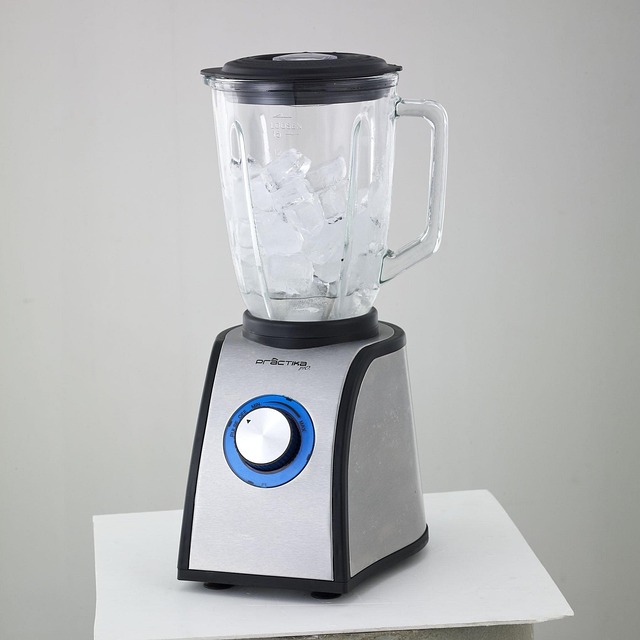
Quick facts
| Dishwasher safe? | Sometimes — Sometimes — with care |
|---|---|
| Category | Appliances |
| Source | AI-reviewed · manufacturer guidance & material science |
| Last checked | 2026-07-28 |
Why
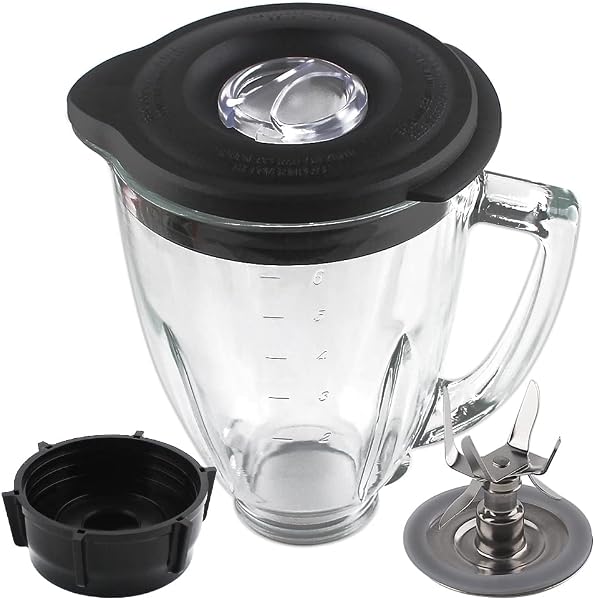
The Ninja blender pitcher is typically made from Tritan copolyester, a BPA-free plastic that is dishwasher-safe on the top rack (away from the heating element) because it resists warping up to about 90°C. However, the lid contains a silicone gasket that can degrade under high heat and harsh alkaline detergents, leading to loss of seal and leaks. The blade base has metal components that may rust or corrode if exposed to prolonged moisture and detergent. Ninja's official care instructions recommend top-rack dishwasher cleaning for the pitcher body only, while the lid and blade base should be hand washed to preserve the gasket and prevent oxidation. Repeated machine washing of the lid can cause the silicone to become brittle and the plastic to warp, compromising the airtight seal. The pitcher body itself may become cloudy or etched over many cycles due to the abrasive detergent, but this is cosmetic and does not affect performance.
How do you wash Ninja blender pitcher?
- Disassemble the lid by removing the pour spout cap and pulling out the silicone gasket.
- Hand wash the lid components (cap, gasket, lid body) in warm soapy water using a soft sponge; rinse thoroughly.
- Wash the pitcher body on the top rack of the dishwasher, away from the heating element.
- Hand wash the blade base assembly (with blades) using a brush to avoid cuts; do not submerge the motor base.
- Rinse all parts with clean water and air dry completely before reassembling.
- Reinsert the silicone gasket and snap the lid components back together.
What happens if you put Ninja blender pitcher in the dishwasher?
If you put the entire Ninja blender pitcher (including lid and blade base) in the dishwasher, after one wash you may notice the silicone gasket feels slightly softer or looser, but it will likely still seal. After repeated washes (5-10 cycles), the gasket can become permanently deformed, causing leaks during blending. The blade base may develop small rust spots on the metal shaft or blade edges, which can contaminate food and reduce blending efficiency. The lid's plastic may warp slightly, making it difficult to snap on securely. The pitcher body itself may become cloudy or scratched, but this is cosmetic. The most critical failure is seal degradation, which is functional and can lead to spills and motor damage. Overall, the damage is cumulative and mostly functional after several washes.
Frequently asked questions
- Can the Ninja blender pitcher go in the freezer?
- Yes, the Tritan pitcher is freezer-safe for short periods (up to 24 hours), but avoid sudden temperature changes (e.g., pouring hot liquid into a frozen pitcher) as it may cause cracking.
- What water temperature can the pitcher withstand?
- The Tritan pitcher can handle hot liquids up to about 100°C (212°F) for short durations, but prolonged exposure to boiling water may cause warping.
- Will the pitcher's markings fade over time?
- Yes, the measurement markings printed on the pitcher may fade or peel after repeated dishwasher cycles due to abrasive detergent and heat; hand washing preserves them longer.
- How often should I replace the silicone gasket?
- Replace the gasket every 6-12 months or sooner if you notice leaks or deformation; it's a wear item that degrades with use and heat exposure.
More appliances
Popular checks
Last updated 2026-07-28. General guidance — always check your product’s care label. How we verify · Dishwasher care guides.