Is Mason jars dishwasher safe?
Sometimes — the glass body is dishwasher safe, but the metal lid and rubber gasket should be hand washed to prevent rust and seal degradation.
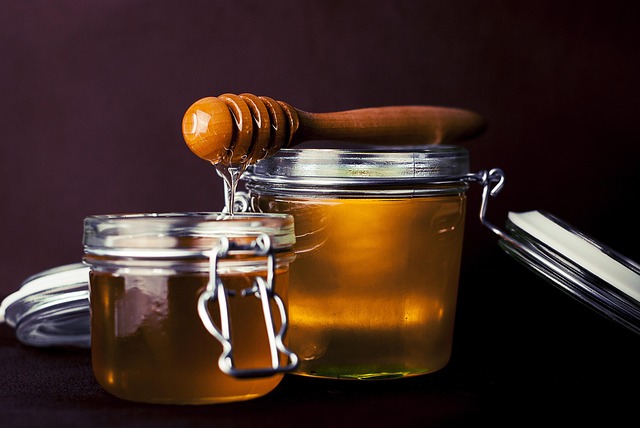
Quick facts
| Dishwasher safe? | Sometimes — Sometimes — with care |
|---|---|
| Category | Containers |
| Source | AI-reviewed · manufacturer guidance & material science |
| Last checked | 2026-07-28 |
Why
Mason jars are typically made of soda-lime or borosilicate glass, which is dishwasher safe under normal heat cycles. However, the metal lid (usually tin-plated steel) will rust over time due to prolonged moisture and alkaline detergent, causing corrosion and compromising the seal. The rubber gasket (often BPA-free silicone or plastisol) can degrade, swell, or lose elasticity from high heat and harsh chemicals, leading to failure in creating an airtight seal. Manufacturers like Ball and Kerr explicitly recommend hand washing lids and bands to extend their life, while the glass jar can be placed on the top rack. Repeated dishwasher exposure will cause visible rust spots on the lid and eventual seal failure, making the jar unsuitable for canning. The glass itself may become cloudy or etched after many cycles due to detergent abrasives, but this is cosmetic and does not affect functionality.
How do you wash Mason jars?
- Disassemble the jar by removing the metal lid and band, and separate the rubber gasket if it is removable.
- Hand wash the lid, band, and gasket in warm water with mild dish soap using a soft sponge; avoid abrasive scrubbers.
- Rinse all parts thoroughly with clean water to remove soap residue.
- Place the glass jar on the top rack of the dishwasher, angled downward to prevent water pooling.
- Run a normal cycle with a gentle detergent; avoid high-heat drying or sanitize cycles.
- Remove the glass jar promptly after the cycle ends and air dry completely before reassembling.
- Hand dry the lid and band immediately with a soft cloth to prevent water spots and rust.
What happens if you put Mason jars in the dishwasher?
If you wash the entire Mason jar (including lid and gasket) in the dishwasher, after one wash you may notice slight water spots on the glass and minor discoloration on the lid's inner surface. After repeated washes (5-10 cycles), the metal lid will develop visible rust spots, especially around the rim and threads, and the rubber gasket may become brittle or misshapen, leading to a poor seal. The glass jar may develop a cloudy film from mineral deposits or detergent etching, but this is cosmetic. Functionally, the lid's rust can contaminate contents and the degraded gasket will fail to create an airtight seal, making the jar unsuitable for canning or long-term storage. The damage is permanent: rust cannot be reversed, and gaskets must be replaced. The glass jar itself remains safe to use indefinitely.
Frequently asked questions
- Can Mason jars be used for hot canning?
- Yes, Mason jars are designed for hot canning, but only new lids should be used to ensure a proper seal. The glass can withstand boiling water temperatures (212°F/100°C) and pressure canning up to 240°F (115°C).
- Are Mason jars microwave safe?
- Yes, the glass body is microwave safe, but remove the metal lid before microwaving to avoid arcing. Do not microwave if the jar is cold or has thermal shock risk.
- Can Mason jars be frozen?
- Yes, but leave at least 1 inch of headspace to allow for expansion. Use straight-sided jars (not wide-mouth) for better freeze resistance. Avoid sudden temperature changes.
- How often should I replace the lid and gasket?
- For canning, use a new lid each time. For dry storage, lids can be reused until rust or seal failure appears. Gaskets should be replaced if they become hard, cracked, or no longer seal tightly.
More containers
Popular checks
Last updated 2026-07-28. General guidance — always check your product’s care label. How we verify · Dishwasher care guides.