Is Kiinde bottle dishwasher safe?
Sometimes — the Tritan plastic body is top-rack safe, but the silicone nipple, lid, and sealing ring should be hand washed.
Quick facts
| Dishwasher safe? | Sometimes — Sometimes — with care |
|---|---|
| Category | Baby |
| Source | AI-reviewed · manufacturer guidance & material science |
| Last checked | 2026-07-28 |
Why
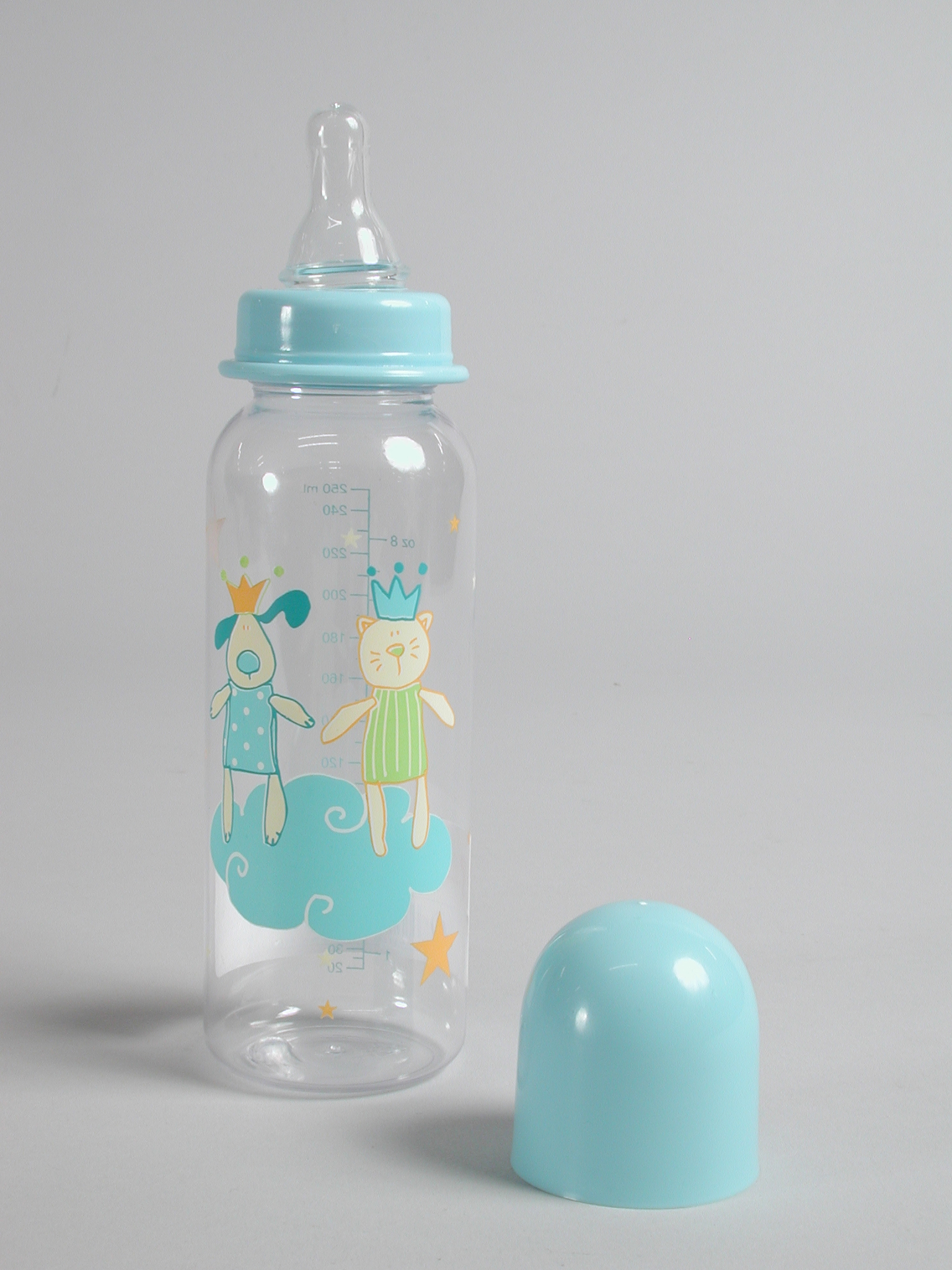
The Kiinde bottle body is made from Tritan copolyester, a BPA-free plastic that can withstand dishwasher heat up to about 80°C (176°F) without warping or clouding, though repeated cycles may cause slight etching from alkaline detergents. The silicone nipple and sealing ring, however, are prone to degradation: high heat and harsh detergents cause silicone to lose elasticity, become sticky, and develop micro-cracks that harbor bacteria. The lid contains a silicone gasket that can swell or warp, breaking the seal and causing leaks. Kiinde's official care instructions recommend hand washing all parts except the bottle body, which is top-rack dishwasher safe. The specific failure modes for silicone are loss of tensile strength and permanent deformation; for the Tritan body, prolonged exposure may lead to surface clouding (etching) but not functional failure. The bottle body is the only part that can safely go in the dishwasher, and only on the top rack away from the heating element.
How do you wash Kiinde bottle?
- Disassemble completely: remove the nipple, cap, sealing ring, and any storage lids.
- Hand wash the silicone nipple, sealing ring, and cap in warm water with mild dish soap and a soft sponge; avoid abrasive scrubbers.
- Rinse all parts thoroughly under running water to remove all soap residue.
- Place the Tritan bottle body on the top rack of the dishwasher, away from the heating element.
- Run a normal cycle with a gentle detergent; avoid high-temperature or sanitize cycles.
- Air dry all parts on a clean drying rack; do not use a towel that may leave lint.
- Inspect the silicone parts regularly for signs of wear (stickiness, cracks) and replace as needed.
What happens if you put Kiinde bottle in the dishwasher?
If you put the entire Kiinde bottle in the dishwasher, after one wash the silicone nipple and sealing ring may appear unchanged but will have begun to lose elasticity. After repeated washes (5-10 cycles), the silicone becomes noticeably tacky, less pliable, and may develop small surface cracks. The sealing ring can warp, causing the bottle to leak when assembled. The Tritan body may develop a slight haze (etching) after many cycles, but this is cosmetic and does not affect safety. The most critical functional damage is seal failure: a warped gasket or nipple can cause leaks during feeding, posing a choking hazard or mess. The damage is cumulative and irreversible; once silicone degrades, it cannot be restored. Hand washing preserves the integrity of all parts and extends the bottle's lifespan significantly.
Frequently asked questions
- Can I boil the Kiinde bottle to sterilize it?
- Yes, the Tritan body and silicone parts can be boiled for up to 5 minutes. However, repeated boiling may accelerate silicone degradation. Steam sterilization is also safe.
- What water temperature can the bottle withstand?
- The Tritan body is safe up to 100°C (212°F) for short periods, but prolonged exposure above 80°C may cause warping. Silicone parts can handle up to 200°C (392°F) but lose elasticity with repeated high heat.
- How often should I replace the silicone nipple?
- Replace the nipple every 2-3 months or at the first sign of stickiness, cracks, or deformation. Check regularly for wear, especially if hand washed.
- Can I freeze milk in the Kiinde bottle?
- Yes, the Tritan body is freezer-safe. Leave headspace for expansion and thaw in the refrigerator. Do not microwave frozen bottles.
More baby

Popular checks
Last updated 2026-07-28. General guidance — always check your product’s care label. How we verify · Dishwasher care guides.