Is Kids Plates dishwasher safe?
Sometimes — solid plastic or melamine plates are top-rack safe, but plates with printed decals, metallic accents, or silicone rims should be hand washed.
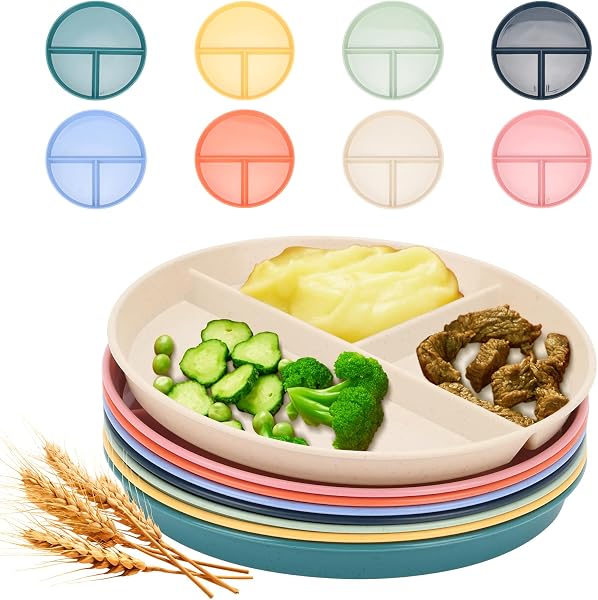
Quick facts
| Dishwasher safe? | Sometimes — Sometimes — with care |
|---|---|
| Category | Dinnerware |
| Source | AI-reviewed · manufacturer guidance & material science |
| Last checked | 2026-07-28 |
Why
Most kids' plates are made of melamine, polypropylene (PP), or Tritan. Melamine is not dishwasher safe: high heat (above 70°C) and alkaline detergents cause the melamine resin to break down, leaching formaldehyde and melamine into food. PP and Tritan are generally top-rack safe (up to 80-90°C), but repeated hot cycles can cause warping or stress cracking. Printed decals and metallic accents will peel or fade due to harsh detergents and heat. Silicone rims or suction bases may degrade over time, losing grip or becoming sticky. Manufacturers like Zak! Designs explicitly state top-rack only and avoid high heat drying. Always check the base for a dishwasher-safe symbol; if absent, hand wash.
How do you wash Kids Plates?
- Rinse immediately after use to prevent food staining.
- Use a soft sponge with mild dish soap and warm water.
- For stuck-on food, soak in warm soapy water for 10 minutes.
- Avoid abrasive scrubbers that can scratch the surface.
- Rinse thoroughly with clean water.
- Air dry or pat dry with a soft cloth.
- If top-rack dishwasher safe, place plates upright, not overlapping, and skip heated dry cycle.
What happens if you put Kids Plates in the dishwasher?
If you put a melamine kids' plate in the dishwasher, after one wash you may notice a slight haze or white film (etching) from alkaline detergent. After repeated washes, the surface becomes rough, colors fade, and cracks may appear at the rim. The plate may warp, becoming uneven and unstable. For PP or Tritan plates, one wash is usually fine, but over time (20+ cycles) you may see stress cracks near the rim or warping that prevents stacking. Printed designs will peel or fade after 5-10 washes. The damage is cosmetic initially but can become functional if cracks harbor bacteria or if melamine leaches chemicals. Silicone suction bases may lose their grip permanently after a few dishwasher cycles.
Frequently asked questions
- Can kids' plates go in the microwave?
- Only if labeled microwave-safe. Melamine is not microwave-safe; it can overheat and crack. PP and Tritan are generally microwave-safe but avoid high-fat foods that can cause overheating.
- How often should I replace kids' plates?
- Replace when you see cracks, deep scratches, warping, or fading of colors. For melamine, replace every 1-2 years or sooner if any damage appears. For PP/Tritan, replace every 2-3 years or when warping occurs.
- Can I use bleach or harsh chemicals to clean kids' plates?
- No. Bleach can degrade plastic and melamine, causing discoloration and potential chemical leaching. Stick to mild dish soap and warm water.
More dinnerware
Popular checks
Last updated 2026-07-28. General guidance — always check your product’s care label. How we verify · Dishwasher care guides.