Is Herb Scissors dishwasher safe?
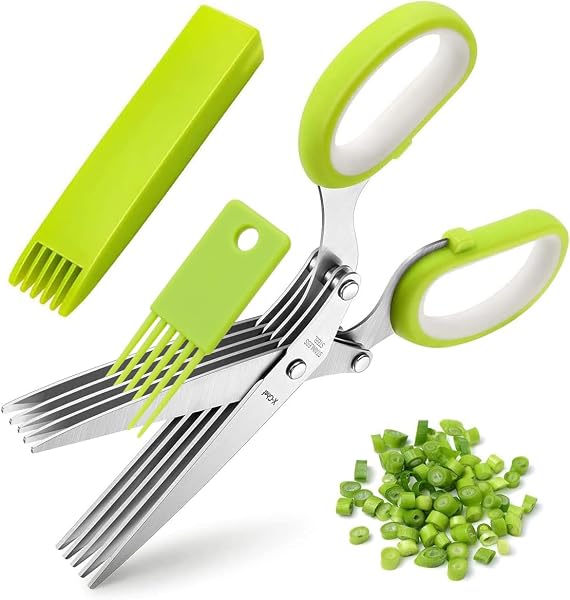
Sometimes — depends on the specific model and materials. Most herb scissors have stainless steel blades that are dishwasher safe, but the handles may be made of plastic or have nonstick coatings that can degrade in the dishwasher.
Quick facts
| Dishwasher safe? | Sometimes — Sometimes — with care |
|---|---|
| Category | Utensils |
| Source | AI-reviewed · manufacturer guidance & material science |
| Last checked | 2026-07-28 |
Why
Herb scissors are typically made of stainless steel blades and plastic or rubber handles. Stainless steel is generally dishwasher safe, but high heat and alkaline detergents can cause plastic handles to warp, crack, or discolor. Some models have nonstick-coated blades; the coating can peel or bubble under dishwasher conditions. The manufacturer's care instructions vary: some explicitly state hand wash only to preserve the nonstick coating or handle integrity, while others allow top-rack dishwasher use. Repeated dishwasher cycles can lead to handle degradation (warping, cracking) and, for nonstick blades, coating failure (peeling, flaking). The specific failure modes are handle warping/cracking and nonstick coating breakdown.
How do you wash Herb Scissors?
- Rinse the blades immediately after use to remove herb residue.
- Hand wash with warm water and mild dish soap using a soft sponge.
- Pay extra attention to the hinge area where debris can accumulate.
- Rinse thoroughly to remove all soap residue.
- Dry immediately with a soft cloth to prevent water spots on blades.
- Store in a dry place, preferably in a protective sheath or drawer organizer.
What happens if you put Herb Scissors in the dishwasher?
If you put herb scissors in the dishwasher, after one wash you may notice slight discoloration on plastic handles or water spots on blades. After repeated washes, plastic handles can warp, crack, or become brittle, especially if exposed to the heating element. Nonstick-coated blades may start to peel or bubble, compromising the nonstick performance and potentially flaking into food. The hinge may also become stiff or loose due to detergent residue or thermal expansion. These damages are often cosmetic initially but become functional over time, leading to poor cutting performance or handle breakage. The blades themselves (if stainless steel) typically remain unaffected, but the overall lifespan of the scissors is significantly reduced.
Frequently asked questions
- Can I sharpen herb scissors?
- Yes, but it's tricky due to the multiple blades. Use a fine-grit sharpening stone or have them professionally sharpened. Avoid using a standard knife sharpener.
- How do I clean stuck-on herb residue from the blades?
- Soak the scissors in warm soapy water for 10-15 minutes, then scrub with a soft brush. For stubborn residue, use a paste of baking soda and water.
- Are herb scissors safe to use on other foods like meat or cheese?
- They are designed for herbs and soft vegetables. Using them on hard or sticky foods can dull the blades and damage the scissors.
More utensils
Popular checks
Last updated 2026-07-28. General guidance — always check your product’s care label. How we verify · Dishwasher care guides.