Is glass baby bottle dishwasher safe?
Sometimes — the glass body is dishwasher safe, but the nipple, cap, and any silicone parts should be hand washed.
Quick facts
| Dishwasher safe? | Sometimes — Sometimes — with care |
|---|---|
| Category | Baby |
| Source | AI-reviewed · manufacturer guidance & material science |
| Last checked | 2026-07-28 |
Why
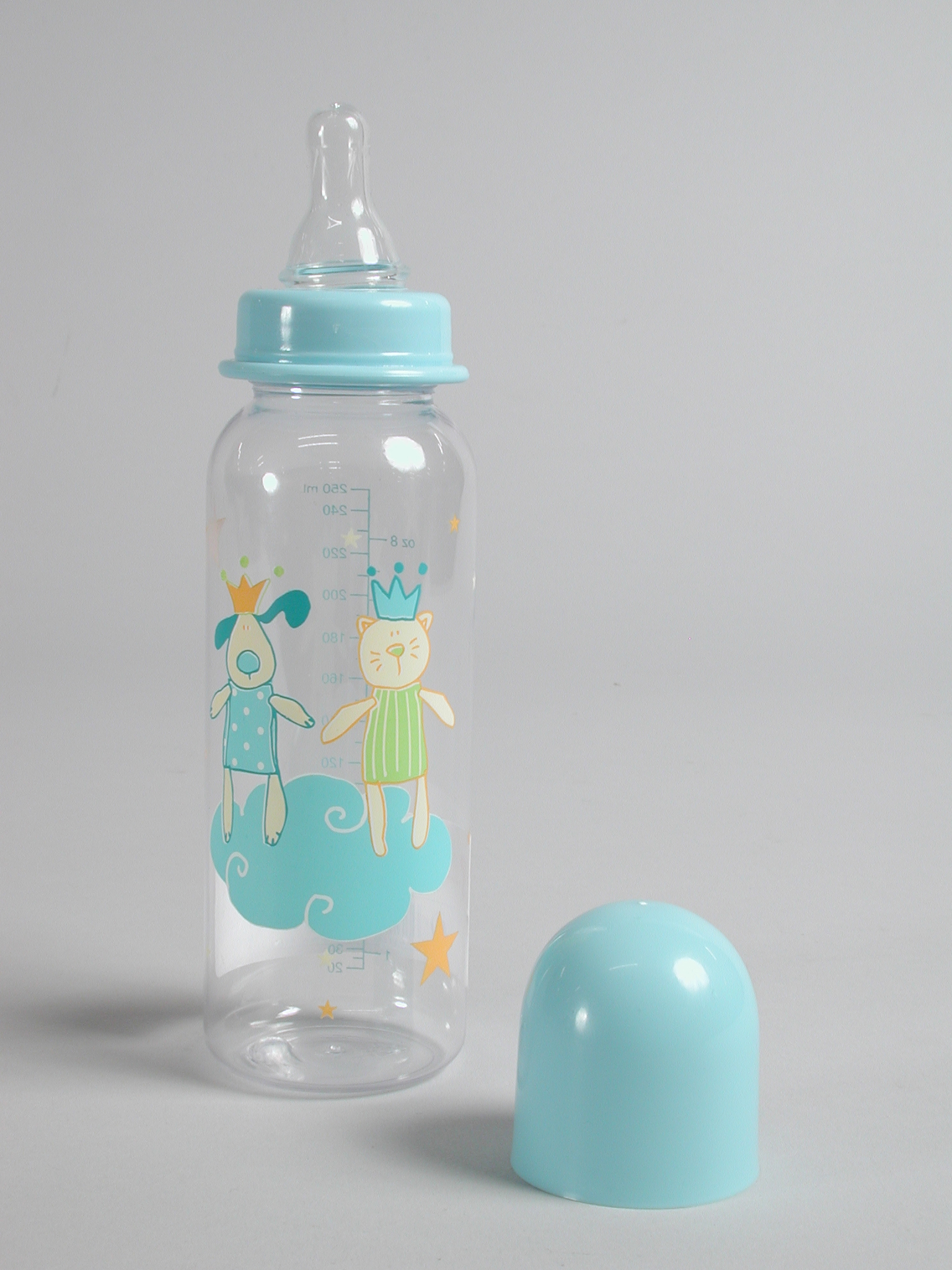
The product is a glass baby bottle, typically made of borosilicate or soda-lime glass. Glass is chemically inert and can withstand dishwasher heat (up to 75°C/167°F) and alkaline detergents without warping, clouding, or leaching. However, the plastic cap (often polypropylene) may warp or degrade over time, and the silicone nipple can absorb odors, degrade, or lose elasticity. The manufacturer (e.g., Dr. Brown's, Philips Avent) usually recommends top-rack washing for glass bottles but advises hand washing nipples and caps to prolong life. Repeated machine washing of silicone parts can cause surface tackiness, cracking, or seal failure. The glass body itself is durable, but thermal shock (e.g., from cold water rinse after hot cycle) could cause breakage, though rare. Decals or printed markings on the glass may peel or fade with repeated washes.
How do you wash glass baby bottle?
- Disassemble the bottle: remove nipple, cap, ring, and any internal vent system.
- Rinse all parts immediately after use to prevent milk residue from drying.
- Hand wash the nipple, cap, and silicone parts in warm soapy water using a soft brush; rinse thoroughly.
- Place the glass bottle on the top rack of the dishwasher, away from the heating element.
- Use a gentle cycle with low heat (if available) and a mild detergent.
- After cycle, remove glass bottle promptly and allow to air dry completely before reassembling.
- Inspect silicone parts for signs of wear (cracks, stickiness) and replace as needed.
What happens if you put glass baby bottle in the dishwasher?
If you put the entire glass baby bottle (including nipple and cap) in the dishwasher, after one wash you may notice the silicone nipple becomes slightly tacky or cloudy, and the plastic cap may feel a bit softer. After repeated washes (10+ cycles), the nipple can develop cracks, lose its shape, or become sticky, compromising the seal and flow rate. The glass body will remain clear and intact, but any printed logos or volume markings may start to fade or peel. The plastic cap may warp, making it difficult to screw on properly, leading to leaks. The damage is primarily cosmetic for the glass but functional for the nipple and cap—eventually requiring replacement. The bottle itself is not permanently damaged, but the parts that contact milk degrade faster.
Frequently asked questions
- Can I put the glass baby bottle in the microwave to warm milk?
- Yes, most glass baby bottles are microwave-safe, but remove the nipple and cap first. Heat in short intervals (15-30 seconds) and stir to avoid hot spots. Always test the temperature before feeding.
- How often should I replace the silicone nipple?
- Replace the nipple every 2-3 months or sooner if you notice signs of wear like cracks, stickiness, or changes in flow. This ensures safe feeding and prevents choking hazards.
- Can I freeze milk in a glass baby bottle?
- Yes, but leave headspace for expansion (about 1 inch). Use a freezer-safe bottle (borosilicate glass is best). Thaw in the refrigerator, not in hot water, to avoid thermal shock.
- Will the volume markings on the glass fade over time?
- Yes, if the markings are printed on the glass, repeated dishwasher cycles can cause them to fade or peel. Hand washing the bottle helps preserve the markings longer.
More baby
Popular checks
Last updated 2026-07-28. General guidance — always check your product’s care label. How we verify · Dishwasher care guides.