Is Dr. Brown's bottle dishwasher safe?
Sometimes — the Tritan plastic body and silicone nipple are top-rack safe, but the vent disc, collar, and silicone gasket should be hand washed to prevent seal degradation and warping.
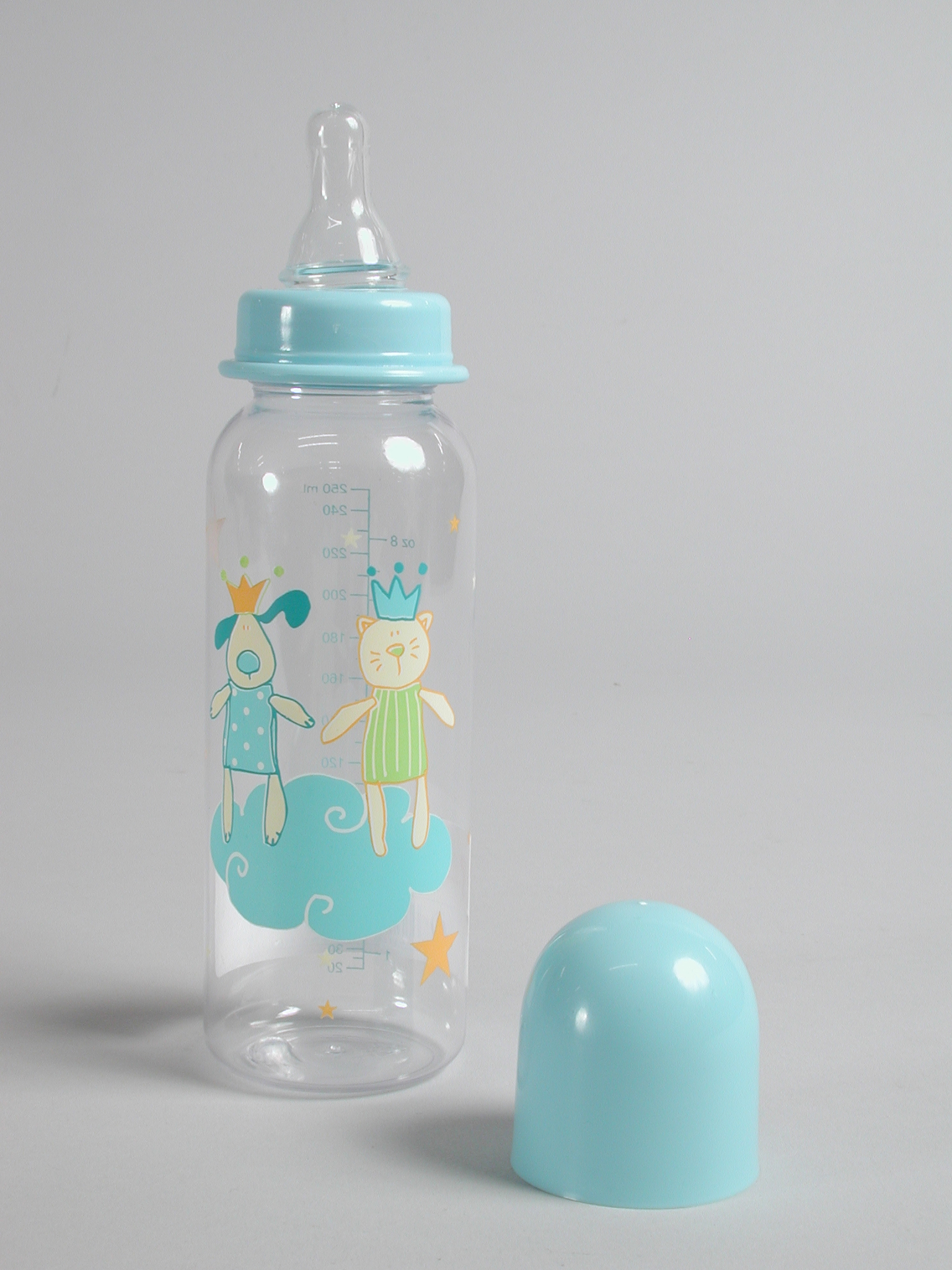
Quick facts
| Dishwasher safe? | Sometimes — Sometimes — with care |
|---|---|
| Category | Baby |
| Source | AI-reviewed · manufacturer guidance & material science |
| Last checked | 2026-07-28 |
Why
Dr. Brown's bottles are made of Tritan copolyester (body) and silicone (nipple, gasket). Tritan is dishwasher safe up to 212°F but can warp if placed on the bottom rack near the heating element. Silicone is heat-resistant but can absorb odors and degrade over time with repeated high-heat cycles. The vent system (collar, vent disc, silicone gasket) is the most vulnerable: the gasket can lose elasticity, causing leaks, and the vent disc may warp, compromising the anti-colic function. The manufacturer recommends top-rack washing for the bottle body and nipple, but advises hand washing the vent system to preserve its seal and shape. Prolonged dishwasher use can cause the silicone to become sticky or brittle, and the Tritan may develop clouding (etching) from alkaline detergent. The failure modes are seal degradation (gasket), warping (vent disc), and clouding (body).
How do you wash Dr. Brown's bottle?
- Disassemble completely: remove nipple, collar, vent disc, and silicone gasket from the bottle body.
- Hand wash the vent disc, collar, and silicone gasket in warm soapy water using a soft brush; rinse thoroughly.
- Place the bottle body and nipple on the top rack of the dishwasher, away from the heating element.
- Use a gentle, fragrance-free detergent to minimize chemical etching on Tritan.
- Run a normal cycle with heated dry off, or air dry to avoid warping.
- After washing, inspect the silicone gasket for any tears or loss of elasticity; replace if damaged.
What happens if you put Dr. Brown's bottle in the dishwasher?
If you put the entire Dr. Brown's bottle in the dishwasher repeatedly, the silicone gasket will gradually lose its elasticity, leading to leaks around the vent system. After one wash, you may notice slight clouding on the Tritan body if the detergent is harsh. After several washes, the vent disc may warp from the heat, causing the bottle to drip when tilted. The silicone nipple may become sticky or develop a faint odor. The collar (polypropylene) can also warp, making it difficult to screw on smoothly. These failures are functional: a warped vent disc or degraded gasket will cause the bottle to leak, making it unusable. The body clouding is cosmetic but permanent.
Frequently asked questions
- Can Dr. Brown's bottles be boiled for sterilization?
- Yes, all parts can be boiled for 5 minutes. Tritan and silicone are heat-resistant up to 212°F, but avoid prolonged boiling to prevent warping.
- How often should I replace the silicone nipple?
- Replace the nipple every 2-3 months or at the first sign of cracking, stickiness, or tearing. Silicone degrades faster with frequent dishwasher use.
- Can I microwave Dr. Brown's bottles?
- No, do not microwave the bottles. The Tritan body can warp, and the vent system may not withstand microwave heat. Use a bottle warmer or warm water bath instead.
- Are Dr. Brown's bottles BPA-free?
- Yes, all Dr. Brown's bottles are made from BPA-free materials. The Tritan copolyester is also free of BPS and other bisphenols.
More baby
Popular checks
Last updated 2026-07-28. General guidance — always check your product’s care label. How we verify · Dishwasher care guides.