Is Ceramic Knife dishwasher safe?
No — ceramic knives are not dishwasher safe because the blade can chip, the edge can dull, and the handle may degrade.
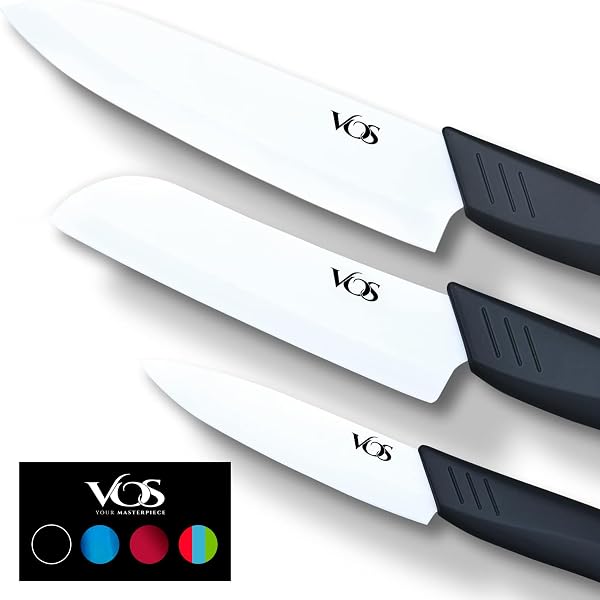
Quick facts
| Dishwasher safe? | No — Not dishwasher safe |
|---|---|
| Category | Utensils |
| Source | AI-reviewed · manufacturer guidance & material science |
| Last checked | 2026-07-28 |
Why
Ceramic knives are made from zirconium dioxide (zirconia), a very hard but brittle material. In a dishwasher, the high heat (up to 75°C/165°F) and harsh alkaline detergents can cause the blade to become dull more quickly, and the constant water jets can cause the knife to knock against other utensils, leading to chipping or cracking of the blade. The handle, often made of plastic or rubber, can degrade over time due to heat and moisture, causing it to become loose or discolored. Manufacturers such as Kyocera explicitly state that ceramic knives should be hand washed to preserve the blade's sharpness and prevent damage. Even one wash can dull the edge, and repeated washes increase the risk of chipping and handle failure. The damage is both cosmetic (discolored handle) and functional (dull or chipped blade).
How do you wash Ceramic Knife?
- Rinse the blade under warm running water immediately after use to remove food residue.
- Apply a small amount of mild dish soap to a soft sponge or cloth.
- Gently wash the blade and handle, avoiding abrasive scrubbers that can scratch the blade.
- Rinse thoroughly with warm water to remove all soap.
- Dry immediately with a soft towel to prevent water spots and moisture damage to the handle.
- Store the knife in a knife block or blade guard to protect the edge.
What happens if you put Ceramic Knife in the dishwasher?
If you put a ceramic knife in the dishwasher, after one wash you may notice the blade is slightly less sharp, but the damage is minimal. However, after repeated washes (5-10 cycles), the blade will become noticeably dull, and you may see small chips along the edge. The handle may become discolored, warped, or loose. In severe cases, the blade can crack or break entirely, rendering the knife unusable. The damage is both cosmetic (handle appearance) and functional (loss of cutting performance and potential breakage).
Frequently asked questions
- Can ceramic knives be sharpened?
- Yes, but only with diamond abrasives because ceramic is extremely hard. Standard sharpeners will not work. It's best to have them professionally sharpened or use a diamond sharpening rod.
- Are ceramic knives safe for cutting frozen foods?
- No, ceramic knives are brittle and can chip or break when cutting frozen foods or bones. They are best suited for slicing fruits, vegetables, and boneless meats.
- How long do ceramic knives typically last?
- With proper hand washing and careful use, a ceramic knife can last 2-5 years before needing replacement. The edge retention is excellent, but brittleness limits lifespan.
- Can ceramic knives be used on glass cutting boards?
- No, glass or stone cutting boards are too hard and will dull or chip the ceramic blade. Use wood, plastic, or bamboo cutting boards instead.
More utensils

Popular checks
Last updated 2026-07-28. General guidance — always check your product’s care label. How we verify · Dishwasher care guides.