Is Bundt Pan dishwasher safe?
Sometimes — most nonstick Bundt pans are not dishwasher safe, but uncoated aluminum or stainless steel pans may be top-rack safe if the manufacturer explicitly allows it.
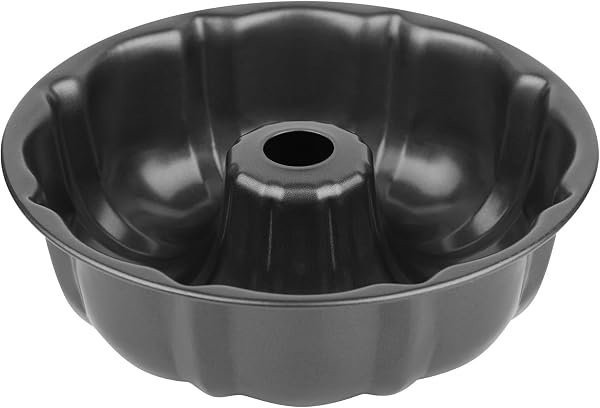
Quick facts
| Dishwasher safe? | Sometimes — Sometimes — with care |
|---|---|
| Category | Bakeware |
| Source | AI-reviewed · manufacturer guidance & material science |
| Last checked | 2026-07-28 |
Why
Bundt pans are typically made of aluminum, nonstick-coated aluminum, or stainless steel. Nonstick coatings (PTFE or ceramic) degrade under high heat and harsh alkaline dishwasher detergents, leading to peeling, blistering, and loss of nonstick performance. Uncoated aluminum reacts with alkaline detergents, causing oxidation, pitting, and a dull, grayish appearance. Stainless steel is generally dishwasher safe but may develop water spots or slight discoloration. Most manufacturers (e.g., Nordic Ware) explicitly state that their nonstick Bundt pans are not dishwasher safe and recommend hand washing to preserve the coating. The pan's intricate design also traps food residue, making dishwasher cleaning less effective. For uncoated aluminum pans, repeated dishwasher use can cause permanent etching and a rough surface that affects release. Always check the specific care instructions for your pan.
How do you wash Bundt Pan?
- Allow the pan to cool completely before washing to prevent warping.
- Hand wash with warm water, mild dish soap, and a soft sponge or non-abrasive cloth.
- For stubborn residue, soak the pan in warm soapy water for 15-20 minutes before scrubbing.
- Rinse thoroughly with clean water to remove all soap residue.
- Dry immediately with a soft towel to prevent water spots or oxidation.
- For nonstick pans, avoid using metal utensils or abrasive cleaners that can scratch the coating.
What happens if you put Bundt Pan in the dishwasher?
If you put a nonstick Bundt pan in the dishwasher, after one wash you may notice slight dulling or water spots. After repeated washes, the nonstick coating will begin to peel, blister, or flake off, especially on the raised ridges where detergent pools. This damage is cosmetic at first but becomes functional as food starts to stick, ruining the pan's release properties. For uncoated aluminum pans, the first wash may cause a slight gray film; after several cycles, the surface becomes permanently etched, rough, and porous, leading to increased sticking and difficult cleaning. The pan may also warp if exposed to the high heat of the drying cycle. In all cases, the damage is permanent and irreversible.
Frequently asked questions
- Can I use metal utensils on a nonstick Bundt pan?
- No, metal utensils can scratch and damage the nonstick coating. Use silicone, wood, or plastic utensils instead.
- How do I remove baked-on residue from a Bundt pan?
- Soak the pan in warm water with a small amount of baking soda or use a paste of baking soda and water to gently scrub. Avoid abrasive pads.
- Can I put a Bundt pan in the oven at high temperatures?
- Most Bundt pans are safe up to 400-450°F (204-232°C), but check the manufacturer's guidelines. Nonstick coatings may degrade above 500°F.
- Is it safe to stack Bundt pans for storage?
- Yes, but place a soft cloth or paper towel between pans to prevent scratching, especially for nonstick surfaces.
More bakeware
Popular checks
Last updated 2026-07-28. General guidance — always check your product’s care label. How we verify · Dishwasher care guides.