Is Bottle Brush dishwasher safe?
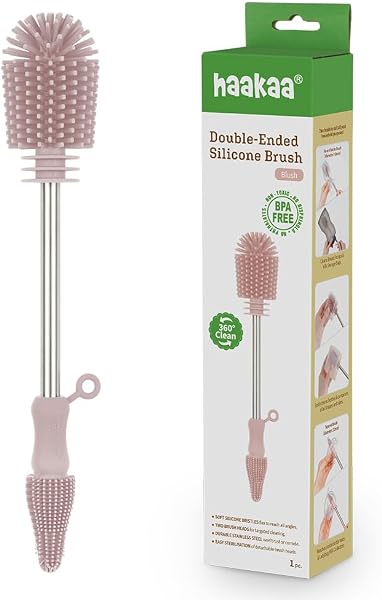
Sometimes — the nylon bristles and plastic handle are generally dishwasher safe on the top rack, but the silicone or rubber grip (if present) may degrade over time, and the brush head should be replaced regularly regardless.
Quick facts
| Dishwasher safe? | Sometimes — Sometimes — with care |
|---|---|
| Category | Baby |
| Source | AI-reviewed · manufacturer guidance & material science |
| Last checked | 2026-07-28 |
Why
Bottle brushes are typically made of nylon bristles and a polypropylene or ABS plastic handle, sometimes with a silicone or rubber grip. Nylon is heat-resistant up to about 200°F, which is within top-rack dishwasher temperatures, but prolonged exposure to high heat and alkaline detergent can cause bristles to soften, splay, or lose stiffness. The plastic handle may warp if placed on the bottom rack near the heating element. Silicone grips are generally stable but can become sticky or discolored after repeated washes. Many manufacturers, such as Dr. Brown's or Munchkin, recommend top-rack dishwasher cleaning for their bottle brushes, but advise replacing the brush every 2-3 months for hygiene. The brush head (bristles) is the most vulnerable part; machine washing accelerates wear, reducing cleaning effectiveness. Hand washing with warm soapy water and air drying is gentler and extends the brush's life.
How do you wash Bottle Brush?
- Rinse the brush under warm water to remove loose debris.
- Apply a few drops of mild dish soap directly to the bristles.
- Scrub the bristles against your palm or a clean sponge to work up a lather.
- Rinse thoroughly under running water until all soap is gone.
- Shake off excess water and stand the brush upright in a drying rack or cup, bristles up.
- Allow to air dry completely before storing.
- Replace the brush every 2-3 months or sooner if bristles show wear.
What happens if you put Bottle Brush in the dishwasher?
If you put a bottle brush in the dishwasher, after one wash you may notice the bristles are slightly softer and the handle feels warm but intact. After repeated washes (e.g., 10-20 cycles), the bristles will become permanently splayed, limp, and less effective at scrubbing narrow bottle necks. The plastic handle may develop a cloudy appearance or small cracks if exposed to high heat on the bottom rack. The silicone grip, if present, can become sticky or develop a white residue from detergent buildup. These changes are cosmetic at first but become functional: a worn brush cannot clean properly, leaving milk residue or bacteria in bottles. The damage is permanent and the brush will need replacement sooner than if hand washed. There is no risk of melting or toxic release under normal dishwasher conditions, but the brush's lifespan is significantly reduced.
Frequently asked questions
- Can I boil a bottle brush to sanitize it?
- Boiling is not recommended for most bottle brushes because the nylon bristles can melt or deform at high temperatures. Instead, use a steam sterilizer or a microwave sterilizer bag if the brush is labeled as microwave-safe.
- How often should I replace my bottle brush?
- Replace every 2-3 months, or sooner if bristles become frayed, discolored, or lose stiffness. A worn brush cannot clean effectively and may harbor bacteria.
- Can I use bleach to clean my bottle brush?
- Yes, but only if the brush is bleach-safe (check the label). Soak in a diluted bleach solution (1 tablespoon bleach per gallon of water) for 2-5 minutes, then rinse thoroughly. Avoid prolonged soaking as it may degrade the bristles.
- Is it safe to use a bottle brush on non-stick bottles?
- Yes, but use gentle pressure to avoid scratching the non-stick coating. Nylon bristles are generally non-abrasive, but a silicone brush is even safer for delicate surfaces.
More baby
Popular checks
Last updated 2026-07-28. General guidance — always check your product’s care label. How we verify · Dishwasher care guides.